





















































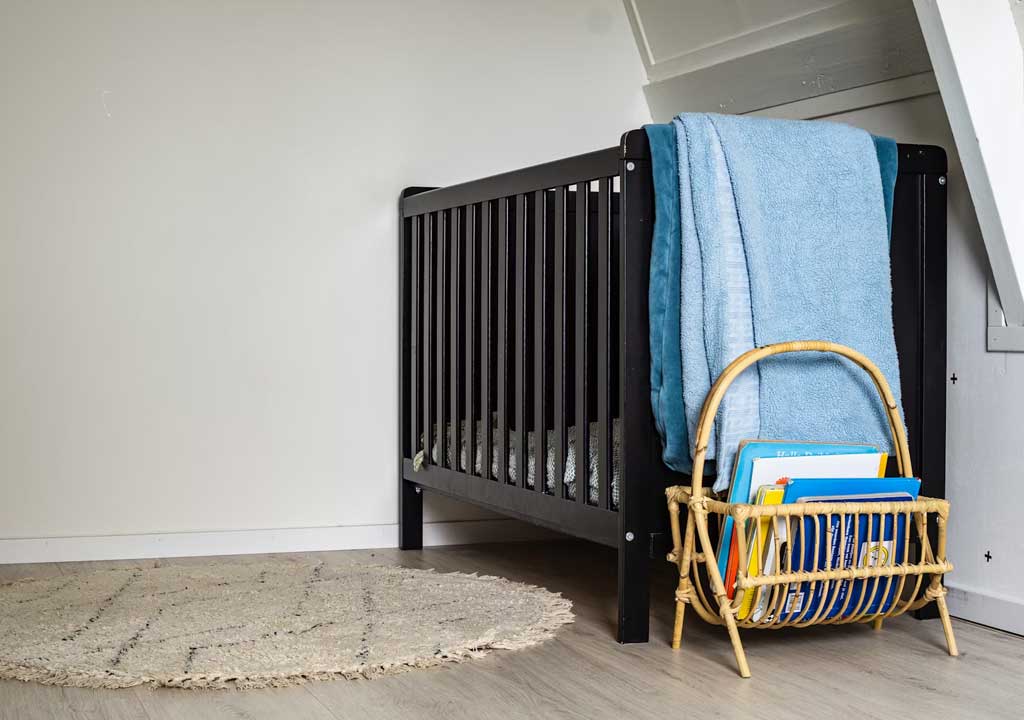

Ultimate Nursery Setup: Must-Have Baby Gear for a Cozy Space

Ultimate Nursery Setup: Must-Have Baby Gear for a Cozy Space
Designing a nursery that feels both cozy and functional can seem like a daunting project. The key is to balance safety, comfort, and style so the space grows with your baby—from newborn snuggles to toddler explorations. Below is a comprehensive guide to the must-have gear that creates a calm, practical, and inviting nursery. Each section highlights core items, practical tips, and how they fit into a cozy atmosphere you’ll love spending time in.
Sleep Sanctuary: Crib, Mattress, and Safe Sleep Essentials
Sleep is the foundation of baby mood, development, and growth. A properly outfitted sleep zone is crucial for everyone in the family. Start with a solid crib and a comfortable, safe sleep setup that can be easily adjusted as your baby grows.
Choose a sturdy, sturdy crib or a bassinet for the newborn phase, and transition to a full-size crib as needed. Look for:
- Firm, flat crib mattress that fits snugly with no gaps
- Waterproof, washable fitted sheets made for infants
- Breathable mattress cover to guard against accidents
- Crib that meets current safety standards and has no drop-side rails
- Sleep sacks or wearable blankets (safe alternatives to loose blankets)
Safe sleep guidelines are simple but vital. Place baby on their back to sleep on a firm mattress with a fitted sheet. Keep the sleep surface free from pillows, blankets, stuffed animals, and crib bumpers. While the idea of cozy bumpers is appealing for photos, most experts advise avoiding crib bumpers and loose textiles that can pose suffocation risks. If you want extra warmth, opt for a sleep sack or wearable blanket. For nighttime visibility and comfort, consider a window blackout curtain to help with longer, more consistent sleep cycles.
Soft Lighting, Sound, and Temperature: Comfort Aids for Sleep
A calm environment supports better sleep and easier evenings. The right lighting, white noise, and room climate help your baby drift into restful slumber—and they add comfort for you too as you settle in for late-night feeds.
Helpful gear in this area includes:
- White noise machine or a sound projector with gentle, repetitive sounds
- Dimmable lamps or a soft nightlight to ease night awakenings
- Humidifier to maintain comfortable air moisture levels
- Safe, quiet ceiling fan or stand fan for air circulation (if noise is comforting)
Tip: Place the white noise device at a distance from the crib to avoid direct exposure to loud sounds. Keep the room temperature around 68-72°F (20-22°C) to reduce wakeups due to being too hot or chilly. A small, plush rug can soften footfalls as you move around the room at night, but ensure it’s non-slip and easy to clean.
Changing Station: Practicality Meets Comfort
The changing station is more than a surface—it’s a mini-workspace for diapering, dressing, and quick clothes changes. A well-organized station saves time and reduces stress, especially in the first months when diaper changes are frequent.
Core components include:
- A sturdy changing pad with a secure strap and a washable cover
- A high-quality dresser or a dedicated changing table with a stable base
- Waterproof diaper-changing mat liners for spill-proof protection
- Accessible diaper pail and a caddy or small shelves for wipes, creams, and extra outfits
- Hand sanitizer or baby-safe wipes for quick cleanups
Organization keeps you calm. Use labeled bins or baskets for diapers, wipes, creams, and extra outfits. A few hooks or a small rack on the wall or the side of the dresser can hold hats, socks, and small accessories. When possible, position the changing area near the nursery’s sleep zone to minimize movement across the room during late-night changes. A step stool can help you reach higher shelves and keep everything within arm’s reach.
Nourishment Nook: Feeding Essentials for Newborns and Beyond
Whether you’re breastfeeding, bottle-feeding, or a combination, creating a dedicated feeding nook can be incredibly comforting for both you and your baby. It encourages relaxed feeding sessions and builds a simple, predictable routine.
Important items to consider include:
- Nursing pillow for ergonomic positioning during feeds
- Breast pump (manual or electric) if you plan to express milk, plus spare parts and a storage system
- Sample bottles, nipples with varying flow rates, and bottle brushes
- A bottle warmer and sterilization method that suits your lifestyle
- Burp cloths, bibs, and a small hamper for soiled items
- A comfortable chair or glider with good back support for extended sessions
Tip: If space is tight, consider a compact glider or rocker with a small ottoman and a side table for drinks and baby books. A well-placed nursing pillow makes feeding ergonomics easier and reduces strain on your neck and shoulders. The goal is to create a cozy corner that feels calm and inviting during every feeding session, with storage nearby for quick retrieval of supplies.
Play and Growth: Safe Play Zone and Development Gear
A nursery isn’t just for sleep and feeds—it’s also a space for exploration and development. A soft, safe play area helps your baby practice tummy time, reach for toys, and enjoy supervised movement as they grow.
Key play items include:
- Playmat or activity gym with textured fabrics and age-appropriate stimuli
- Mirror safe for babies (unbreakable and securely mounted)
- Soft, washable area rug to cushion tummy time
- Age-appropriate toys: high-contrast black-and-white toys for newborns, followed by rattles, teething toys, and simple stacked blocks
- A lightweight, portable baby swing or rocker for soothing and downtime
Remember safety first: avoid small parts that could be a choking hazard, always supervise play, and ensure that any suspended decorations or mobiles are securely attached and out of baby’s reach. A mobile above the crib can be beautiful and soothing, but if the baby becomes mobile, you’ll want to remove it or relocate it to prevent entanglement.
Storage and Organization: Keeping the Nursery Calm and Clutter-Free
Clutter can escalate stress, especially for new parents. A well-planned storage strategy keeps essentials accessible while preserving a serene, cozy aesthetic. Focus on modular systems that can grow with your child.
Smart storage ideas:
- A dresser with a dedicated top surface that doubles as a changing station
- Open cubbies, woven baskets, and labeled bins for clothing, linens, and toys
- Closet organizers and hanging organizers to maximize vertical space
- Under-crib storage baskets for blankets, extra sheets, and seasonal items
- Clear bins for frequently used items to simplify quick retrieval
Tip: Use a color-coded or label-based system so you and other caregivers can find items quickly. Consider rotating toys and books so the space feels fresh, but store the rest out of sight to maintain a calm, uncluttered environment. A small shelf near the doorway for everyday necessities like wipes, spare diapers, and a nightlight can streamline late-night changes and feeds.
Decor and Textiles: Crafting a Warm, Cozy Aesthetic
Aesthetic choices shape how warmly a room feels. Soft textiles, gentle colors, and thoughtful textures create a soothing environment that invites long, calm routines. You don’t need to match every piece perfectly—aim for a cohesive vibe that feels welcoming and cozy.
Decor ideas to consider:
- Color palette: soft neutrals with gentle accents (dusty blues, blush pinks, sage greens, gentle yellows)
- Textiles: natural fibers like cotton and bamboo, breathable sheets, and a plush rug
- Wall art: simple prints, a growth chart, or a family photo gallery with sturdy frames
- Growth-friendly accents: a low coat rack, a small reading nook with a soft throw, and a few layered lighting options
Play with texture rather than loud colors to maintain a serene atmosphere. A fluffy rug, a chunky knit blanket draped over a rocker, and a canopy or light fabric above the crib can add warmth without overpowering the space. If you’re planning wall art or decals, choose removable options so you can refresh the look as your child’s interests evolve.
Safety First: Baby-Proofing Your Cozy Space
Safety is the cornerstone of a cozy nursery. A well-protected room gives you peace of mind and makes daily routines smoother. Proactive baby-proofing now prevents surprises later as your little one becomes more mobile.
Key safety steps include:
- Outlet covers and cord management for blinds and electronics
- Furniture anchors to walls to prevent tipping, especially for dressers and shelving
- Corner guards on sharp table edges and sturdy, non-slip rug pads under area rugs
- Safe storage that keeps small objects out of reach and away from curious fingers
- Cabinet and drawer locks for cleaning supplies and hazardous items
Beyond physical safety, ensure the nursery environment stays clean and allergen-conscious. Choose washable fabrics, use a mild fragrance-free detergent, and keep air quality high with appropriate ventilation and, if needed, an air purifier. A well-ventilated room helps both baby and parent breathe easier, contributing to a calmer atmosphere overall.
Tech and Monitoring: Staying Connected Without Overstimulation
Technology can be a helpful ally, especially for parents balancing multiple responsibilities. A baby monitor provides reassurance when you’re in another room, and some devices give you insights into room conditions that affect sleep and comfort.
Useful tech options:
- Video baby monitor with a clear, secure connection and a reliable screen or smartphone app
- Breathing or movement monitors as optional safety aids, especially for newborns, used according to guidance
- Room temperature sensor that alerts you if the space becomes too hot or cold
- Smart lighting or a simple dimmable lamp setup for night feeds and diaper changes
Tips for tech use: prioritize devices with strong privacy settings and avoid leaving devices in the baby’s crib or within reach. The goal is to enhance safety and peace of mind, not to create a wall of devices that complicate the nursery atmosphere. Keep cables organized and out of reach, and consider battery-operated devices where feasible to minimize clutter and hazards.
Growth-Ready: How to Plan for a Nursery that Grows with Your Child
A nursery isn’t just for the newborn stage. It’s a space that should adapt as your child grows, from rolling over to crawling, standing, and eventually walking. Planning with growth in mind prevents you from feeling stuck with a space that no longer fits their needs.
Practical growth considerations:
- Choose furniture with longevity in mind: a dresser that can double as a changing table now, and later serve as a standard dresser
- Use modular storage units that can be re-arranged or repurposed as the child’s needs change
- Opt for a crib with adjustable height settings and conversion-ready features if available
- Invest in durable, easily washable textiles and furniture fabrics that tolerate wear and frequent cleaning
As your child transitions out of a crib, plan a smooth shift to a bed with a guardrail or a low-to-the-ground toddler bed. Keep safety barriers in place as needed and gradually introduce new routines that align with their developing independence. The goal is a room that feels like a sanctuary for rest and a launchpad for exploration.
Shop Smart: Budgeting, Buying, and Prioritizing Gear
Creating a cozy nursery doesn’t have to mean overspending. Smart shopping balances comfort, practicality, and long-term value. Here are tactics to maximize your budget without sacrificing quality or safety.
Budget-friendly strategies:
- Start with essential pieces first (crib, mattress, changing surface, and storage) and add decorative or optional items later
- Consider second-hand options for non-safety-critical items like gliders, dressers, and toy storage, ensuring items are in good condition and meet safety standards
- Look for multi-functional furniture (dresser with changing top, ottoman with hidden storage) to save space and money
- Shop sales, bundle deals, and consider buying essentials in sets from the same brand to ensure consistent quality and fit
- Read reviews focusing on safety, durability, and how easy items are to clean
Don’t buy everything at once. Create a phased plan aligned with your baby’s needs, and allow time to assemble and place gear thoughtfully. A well-planned layout reduces clutter and helps you enjoy the process of turning a room into a warm, welcoming space for your family.
Sample Room Layout: A Practical, Cozy Flow
While every room is unique, a balanced layout helps you visualize a functional yet cozy nursery. Here’s a practical setup that keeps zones distinct while preserving a soft, inviting vibe:
- Place the crib against a wall with a window treatment that blocks excess light but allows ventilation
- Position the changing station nearby, ideally along a different wall but within easy reach of the crib for late-night transitions
- Set up a nursing corner with a comfortable chair, small side table, and a lamp on another wall for mood lighting
- Dedicate a small play area in a corner with a play mat and a few age-appropriate toys
- Reserve storage along a separate wall or near the door for quick access to diapers, wipes, clothes, and blankets
Don’t worry if your space doesn’t align perfectly with this plan. The best layout supports safe sleep, easy access to supplies, and a sense of calm. Adjust positions to fit your room’s dimensions, power outlets, and natural light.
Seasonal and Growth Check-ins: Keeping the Nursery Fresh
As your family’s needs evolve, revisit the nursery to refresh textures, reorganize storage, and replace worn items. Seasonal check-ins are a helpful habit to keep the space feeling new and cozy without a full overhaul.
What to evaluate during a check-in:
- Sheets and blankets: replace any worn or stained textiles; consider cable-knit blankets for texture (use with care and never in the crib)
- Dust and cleanliness: wipe surfaces, vacuum crevices, and wash fabrics to maintain a healthy environment
- Safety updates: verify that furniture anchors are secure and that there are no new hazards
- Storage efficiency: reassess organization and rotate toys or books to keep the space engaging
Turning a nursery into a cozy, functional haven is an ongoing process. Small updates—like swapping a throw pillow, refreshing wall art, or adjusting lighting—can make a big difference in how the space feels day to day.
Conclusion: Your Cozy Nursery, Built with Thoughtful Gear
Designing the ultimate nursery is about pairing safety with comfort and practicality with personality. By prioritizing a strong sleep setup, a functional changing station, a nurturing feeding corner, organized storage, soothing lighting, and mindful safety measures, you create a space where both baby and parents can thrive. The right gear isn’t just about ticking boxes—it’s about fostering a sense of calm, warmth, and connection in the room you’ll spend so many precious moments in.
Remember, there’s no one-size-fits-all blueprint. Start with the essentials, layer in comfort and convenience, and tailor the space to your family’s routine. With thoughtful planning and a dash of creativity, your nursery becomes more than a room—it becomes a cozy sanctuary where growth and cherished memories begin.
LIKED THIS ARTICLE? SHARE IT: