




















































Travel-Ready Nursery: Portable Gear for On-the-Go Parents

Travel-Ready Nursery: Portable Gear for On-the-Go Parents
Traveling with a baby can feel like a grand adventure—and also a logistical puzzle. The idea of a “nursery” usually conjures up a quiet, familiar room with a crib, a changing station, a stash of diapers, and a soothing routine. When you’re away from home, you still want that sense of comfort, security, and predictable rhythms for your little one. The solution is not to recreate a full room on the road, but to curate a compact, purpose-built set of portable gear that covers sleep, feeding, diapering, safety, and soothing. Think of it as your travel-ready nursery: a thoughtfully packed kit that makes life easier for you and calmer for your baby, no matter where you’re headed.
Why a travel-ready nursery matters
Babies thrive on routine, even more so when they’re in unfamiliar places. A travel-ready nursery helps you:
- Maintain bedtime and naptime cues in new environments
- Provide a familiar space for diaper changes and feeding
- Reduce stress for caregivers by shortening setup time
- Increase safety with portable, purpose-built gear
- Limit the number of items you’re carting while keeping essentials within reach
With the right portable gear, you can transform almost any hotel room, Airbnb, friend’s house, or campsite into a calm, baby-friendly space. The goal is not a perfect replica of your home nursery, but a well-organized, compact system that supports comfort, safety, and routine on the go.
Core portable must-haves
Every travel-ready nursery starts with a core set of gear you can rely on in multiple scenarios. Prioritize items that are lightweight, compact, easy to clean, and widely compatible with different travel environments.
- Travel crib or portable bassinet (compact fold, quick setup)
- Foldable changing mat or portable changing pad with a waterproof backing
- Diaper bag that’s organized and ergonomic
- Multi-purpose stroller or carrier that stores compactly and adapts for sleeping, feeding, and soothing
- Portable high chair or clip-on chair attachment for mealtimes
- Lightweight blackout curtains or a sun shade for the hotel/room window
- White noise device, or a phone/tablet app with soothing sounds
- Travel-friendly sleep sacks or wearable blankets sized for your baby
These essentials form the backbone of your travel nursery. From there, you can tailor additions to your family’s routines, climate, and travel style. Below are detailed categories to help you decide which items best suit your needs.
Sleep on the go: portable sleep solutions
Sleep routines travel better when you have reliable, compact sleep gear. Consider these options:
Portable cribs and travel bassinets
When selecting a portable sleep solution, look for:
- A freestanding, foldable design that fits in your luggage or car trunk
- Breathable mesh sides and a firm, flat sleep surface
- A washable, wipe-clean mattress or a compact, self-inflating pad
- Minimal setup time (under a minute is ideal) and intuitive assembly
Travel cribs are typically heavier than a bassinet, but they offer a more robust sleep surface and can be used from newborn through toddler stages. A travel bassinet is lighter and easier to tote for short trips, but check weight limits and the grow-with-baby capacity. When possible, practice setting up the unit at home to shave off precious minutes in a hotel lobby or parking lot lobby.
Sleep sacks and swaddles
Maintaining warmth and comfort without loose blankets is critical while you’re on the move. Sleep sacks, wearable blankets, and transition swaddles help your baby feel secure, while avoiding the risk of loose coverings in transit environments. Choose breathable fabrics (cotton or lightweight fleece) and appropriate TOG ratings for the climate. Pack a couple of options so you’re prepared for temperature shifts between a car, airplane cabin, and hotel room.
White noise and soothing cues
A consistent sound environment can ease transitions between settings. A compact white-noise machine, a phone-based app with pre-downloaded tracks, or a small speaker near the sleep area can help mask unfamiliar sounds in new places. Pair white noise with a familiar night-time routine—dim lights, gentle lullabies, and a consistent bedtime snack—to cue sleep even when you’re far from home.
Feeding on the go: portable feeding and meal-time gear
Feeding setups will vary depending on whether you’re nursing, bottle-feeding, or using solids. The key is modular, easy-to-clean items that can be used in a hotel, Airbnb, restaurant, or car seat.
Nursing on the road
For breastfeeding parents, a nursing cover or scarf provides privacy in unfamiliar spaces. A compact, foldable nursing pillow can be helpful for comfort, especially on long flights or drives. If you’re pumping, consider a lightweight pump bag with spare flanges, tubes, power adapters, and a compact cooler bag to keep expressed milk fresh between stops.
Bottles, formula, and solids on the move
For bottle-feeding or formula, assemble a minimalist kit:
- A few bottles with travel-cap-friendly lids
- A portable bottle warmer if you rely on expressed milk or hot water for formula
- A compact, insulated cooler with ice packs to store milk or ready-to-serve formula
- Portable spoon/cereal bowls and a spill-proof cup for early solids
Practice cleaning and sanitizing on the go. A compact bottle brush, travel-friendly soap, and a small dish for rinsing can help you keep items hygienic between stops. If you’re visiting places with accessible hot water, you may skip some thermal gear and rely on a hot-water kettle or amply heated water from a hotel sink, but always verify safety guidelines before feeding.
Diapering on the move: changing on demand
Diaper changes are a frequent activity when you travel, and a thoughtfully organized setup saves time and reduces stress for both you and your baby.
Changing mats and station options
A portable changing pad with a waterproof backing is essential. Look for:
- Soft, wipe-clean surface that folds neatly
- Waterproof pocket or interior for diapers, wipes, and a spare onesie
- Slip-resistant backing or secure strap to keep it in place on irregular surfaces
For added convenience, pair the mat with a small portable diaper caddy or organizer that fits in your diaper bag. You can carry essentials such as wipes, a few extra diapers, rash cream, and a changing mat together for quick access.
Diaper bag organization
Organization is critical when you’re juggling multiple tasks. Use packing cubes or small pouches inside your diaper bag to separate:
- Newborn or baby wipes and wipes warmer (optional)
- Diapers, diaper cream, and disposal bags
- Onesies, extra outfits, and a burp cloth
- Hand sanitizer and cloths for quick cleanups
Choose a diaper bag that is well-padded, easy to wipe down, and has stroller straps for hands-free transport when needed.
Transport, safety, and on-the-go comforts
Moving between locations adds complexity to safety and comfort. Build a kit that keeps you organized and prepared for different transport modes:
Car travel and car seats
For car travel, ensure you have:
- A compact car seat bag or cover for protection during transport
- A lightweight, portable sun shade and window cling to reduce glare and protect baby’s skin
- A rear-facing mirror for easier monitoring without turning around
- A small, easily accessible emergency kit with basic tools and a spare bottle of water
Practice installing the car seat at home or at a familiar location before entering a new car. If possible, head to the car with a helper so you can secure the seat safely and quickly.
Strollers, carriers, and travel flexibility
Your travel-ready nursery benefits from a stroller or carrier that’s adaptable and compact:
- Collapsible strollers with a sun canopy and storage basket
- A baby carrier or wrap for hands-free soothing and independent movement
- A stroller lock or strap to secure the stroller while boarding transit
When choosing, consider where you’ll be most of the time: airports, city streets, or rural areas. A stroller that folds with one hand and fits in overhead compartments or trunk space can save you many minutes during transfers.
Climate control and on-the-go hygiene
Climate can dramatically affect comfort. Pack items that help you adapt quickly:
- Layered clothing options for baby and caregiver
- Lightweight hats and sun protection
- A compact travel towel or changing cloth for quick cleanups
- Travel-sized hand sanitizer and wipes for quick surface cleaning
Hygiene is especially important in shared spaces. A small kit with sanitizing wipes, a spare cloth, and a surface-safe spray can help you maintain a clean environment for diaper changes and feeding.
Organization and efficiency: packing strategies that save time
Smart packing is the secret sauce of a successful trip with a little one. Here are practical strategies to stay organized and efficient:
- Prepare a master travel checklist well before your trip, then tailor it for each destination
- Pack by day or activity (sleep, feed, change, outfit changes, and outdoor activities)
- Use packing cubes or zip pouches to separate items by category (feeding, diapering, clothes, toys)
- Opt for multi-use items that can serve more than one purpose (e.g., a blanket that doubles as a nursing cover)
- Roll baby clothes to maximize space and minimize wrinkles
- Store a “last-minute” bag with essential items you’ll grab before leaving the room (diapers, wipes, pacifier, soothing items)
- Keep a digital or paper copy of important documents (identification, vaccination records, medical contacts) in a secure pocket
Folding and organizing are not just about space; they’re about reducing stress. When you can quickly locate the item you need—diaper, snack, or toy—you have more energy to attend to your baby’s cues and less distraction from the logistics of travel.
Travel scenario checklists
Different travel scenarios require different gear configurations. Here are practical checklists to use as starting points depending on your plans.
Air travel with a baby
- Lightweight, compact travel crib or bassinet suited for in-flight or hotel use
- Portable changing pad with a few diapers and wipes within easy reach
- Breastfeeding or bottle-feeding kit with pre-measured formula or supplies for pumping
- Safe, secure baby carrier or wrap for boarding and deplaning
- Noise reduction options (ear protection for older babies, white noise app or device)
- Spare outfits and a bib for drool and spills
Road trips
- A sturdy, compact travel crib or foldable bassinet for overnight stops
- Spare clothes for all weather contingencies
- A car emergency kit that includes a small first-aid set and baby-safe sunscreen if you’ll be outdoors
- A travel-friendly booster seat option if your accommodations don’t have a suitable high chair
- Portable white noise and nightlight to create a familiar sleep environment in unfamiliar places
Overnight stays with limited space
- Combination mini crib or bassinet and a compact stroller that doubles as a carry-on
- Multi-use sheets or muslin blankets that double as swaddles or nursing covers
- One or two outfits, a sleep sack, and a spare diaper kit
- A simple, easy-to-clean changing mat and wipe pouch that fits the room’s surface
Budget-friendly and eco-friendly picks
Travel gear can skew expensive, but there are practical ways to keep costs reasonable while staying mindful of sustainability. Here are some ideas:
- Look for lightweight, multi-use items that you can reuse in several scenarios (e.g., a compact travel crib that works as a play yard in a hotel room)
- Invest in a durable, washable travel changing pad and diaper bag rather than disposable alternatives
- Choose gear with minimal packaging and materials sourced responsibly
- Consider renting gear at your destination if you’ll only be there briefly or have limited storage space at home
When possible, read reviews that emphasize durability, ease of cleaning, and fast setup. Prioritize gear you can trust and reuse—less waste and fewer items to manage on long trips.
Practical setup ideas for different environments
To help you visualize, here are a few practical setup ideas you can adapt to your next trip:
- Hotel room: Place a travel crib in a quiet corner near a power outlet for nightlight and a white-noise option. Keep a diaper-changing station on a side table with the changing mat, wipes, and a spare diaper stash. Use blackout curtains or a temporary window cover to keep the room dim during naps and bedtime.
- Airbnb or rental home: Identify a small “baby zone” with a portable crib, a low shelf with folded clothing, and a dedicated diapering station. Hang a light blanket or sunshade on the window to control light. Keep a few toys at baby height to minimize clutter during sleep and play transitions.
- Camping or outdoors: Use a lightweight, breathable sleeping area with a portable bassinet or a packable crib. Bring a sun shield for the car or tent, a compact hand-washed wipe kit, and a small cooler for snacks and milk storage. Ensure your sleeping area is away from direct sun, and cover surfaces with a waterproof changing pad for diapering in the field.
Safety considerations on the road
Travel adds safety considerations: you’re moving through different spaces, surfaces, and levels of supervision. Keep these tips in mind:
- Always follow car seat safety guidelines for installation at your destination. Double-check expiration dates and recall notices.
- Check the stability of portable equipment before each use; test cribs, changing tables, and high chairs in advance.
- Keep small parts, toys, and accessories out of the baby’s reach to prevent choking hazards.
- Avoid leaving baby unattended on elevated surfaces or changing tables; always stay within arm’s reach during diaper changes.
- Be mindful of the baby’s temperature; layer clothing and use breathable fabrics appropriate for the climate.
With these considerations, you’ll reduce the chances of last-minute scrambles and ensure your baby’s safety while you travel.
Digital and tech aids for travel-friendly routines
Modern travel can be made smoother with a few tech helpers that don’t add too much weight:
- A small, portable sound machine or a smartphone app for white noise and lullabies
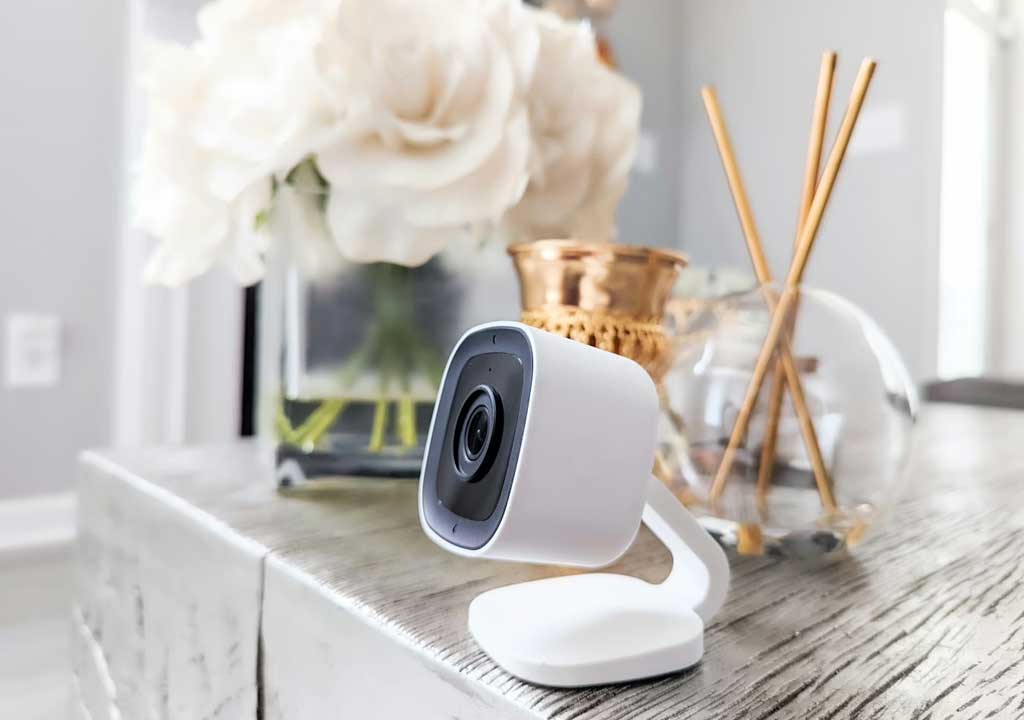
- A compact, water-resistant camera or smartphone for keeping an eye on baby when you’re in a different room
- A portable power bank to keep devices charged for long layovers or road trips
- One universal charger for all devices used in feeding or soothing routines
Remember to keep electronic devices in baby-friendly modes and be mindful of screen-time guidelines for your child’s age during travel. A quick offline playlist or downloaded lullabies can be both soothing and battery-friendly during flights and car rides.
Special considerations for different climates
Climate variations influence what you pack and how you layer. A few practical adjustments:
- Children’s delicate skin requires sun protection in hot climates—choose protective clothing and hats with UPF ratings in addition to sunscreen when appropriate.
- In cold environments, pack compact, insulating layers and a warm sleep sack. For damp or rainy weather, bring water-resistant outerwear and a portable, easily washable mat for diaper changes.
- Air-conditioned settings can be chilly; keep a light blanket handy and adjust outfits to maintain warmth without overheating.
What to pack in a “go-to” travel nursery kit
To keep things efficient, assemble a dedicated travel nursery kit that you can grab in seconds. Here’s a suggested core list you can tailor:
- Travel crib or portable bassinet with a fitted sheet
- Foldable changing mat with a small pouch for wipes and creams
- Diaper essentials: diapers, wipes, rash cream, disposable bags
- Two to four outfits per day plus sleepwear and a sleep sack
- Compact feeding kit: bottles or breast pump elements, formula or breastmilk storage, spoons, bibs
- Portable high chair or chair attachment when dining out or staying with friends
- Sunshade, blackout curtain or a portable window cover
- White noise device or app, plus a charging solution
- First-aid basics and baby-safe sanitizers/wipes
- Small toy or comfort item for soothing and play
Keep your kit inside an organized bag or tote with clearly labeled compartments. A dedicated “baby zone” inside your main luggage or car trunk can help you locate items quickly and minimize disruption to routines.
Timeline planning: before you travel, during, and after
Effective travel with a baby involves a simple rhythm for packing, maintaining routines, and returning home with minimal chaos. Consider this timeline:
- Two weeks before travel: compile your travel nursery list, check gear for any wear, and test collapsible items at home to confirm setup time and function.
- One week before travel: do a trial pack with your designated kit, remove unnecessary duplicates, and confirm accommodation access (crib requests, high chair, and water access for bottles).
- On travel day: have a compact master bag ready in the car or stroller, include a quick-access pocket with a spare diaper, wipes, a pacifier, and a nightlight or small toy to ease the baby through transitions.
- Post-travel: assess what you used, what you didn’t, and what you wish you’d had. Adjust your kit for your next trip accordingly.
Real-world tips from traveling families
Hearing from families who travel with babies can offer practical, grounded insights. Here are a few commonly shared tips:
- Use a diaper-changing pad with a built-in absorbent liner for quick cleanups on the go.
- Sturdy, reliable gear is worth the investment—heavy wear is common with travel gear, so durability matters.
- Pack extra essential items in a separate bag you can grab first when you reach your destination (e.g., a nightlight, a few diapers, wipes, and a change of clothes).
- Practice your routine in a familiar environment before you travel; your baby will follow cues more easily when you have a consistent system.
- Be flexible but prepared; babies’ schedules are resilient, but setbacks can occur. A calm, prepared caregiver can adapt quickly.
Putting it all together: a sample 10-item travel nursery starter kit
Here’s a compact starter kit designed for portability and coverage across common travel scenarios. Customize for your baby’s age and needs.
- Foldable travel crib or portable bassinet with two fitted sheets
- Foldable changing mat with a small wipe pouch and diaper cream
- Diaper bag with internal dividers ( diapers, wipes, changing footwear, spare outfits)
- Two to four onesies, two sleep sets, and a sleep sack
- Bottle kit or breast pumping accessories with a mini cooler
- Portable high chair or clip-on chair and a pack of bibs
- Sun protection and a light blanket or cover for sunshade and warmth control
- White noise device or pre-downloaded soothing tracks
- Compact first-aid kit with baby-safe items (thermometer, saline drops, fever reducer guidance, antiseptic wipes)
- One small favorite toy or comfort item to ease transitions
With these basics, you’re prepared for most travel mishaps and comfortable transitions between hotels, cars, planes, and restaurants.
Conclusion: travel-ready nursery as your peace of mind on the road
A travel-ready nursery isn’t about recreating every detail of your home nursery in a new place; it’s about building a compact, reliable system that supports your baby’s sleep, feeding, and comfort while giving you back time and energy to enjoy your journey. By selecting portable gear that is durable, easy to clean, and adaptable to a range of environments, you empower yourself to travel confidently with your little one.
As you plan your next trip, start with the essentials and gradually tailor your kit to your baby’s routines, the length of travel, and the climates you’ll encounter. Practice the setup at home, optimize for your family’s preferences, and you’ll find that even long journeys can become enjoyable adventures with a well-prepared travel-ready nursery by your side.
LIKED THIS ARTICLE? SHARE IT: