




















































Best Baby Gear for Small Nurseries: Space-Saving Solutions

Best Baby Gear for Small Nurseries: Space-Saving Solutions
When you’re decorating a small nursery, every inch of space matters. The right gear can keep a room calm, functional, and safe without feeling cramped. In this guide, you’ll find practical, space-saving options for sleep, diapering, storage, and daily care—plus smart layouts to help you maximize what you’ve got. Whether you’re preparing a compact urban apartment or a cozy corner in a larger home, these ideas will help you design a nursery that feels spacious and serene.
Before we dive into product picks, a quick note: small nurseries aren’t a constraint, they’re an opportunity. The goal is to choose multi-functional pieces, prioritize vertical storage, and plan for easy transitions as your baby grows. With thoughtful planning, you can create a nursery that comfortably fits a crib, a changing station, a small seating area, and enough storage for essentials—all without clutter.
Smart Planning: How to Approach a Small Nursery
Start with measurements. Measure the full length and width of the room, plus ceiling height, door swing, and any built-in shelves. Create a simple floor plan or use a sketch pad to visualize furniture placement. In a small space, traffic flow is crucial: you want to be able to move around the crib, reach the changing station, and access drawers without stepping on toys or laundry. Here are a few planning tips to get you started:
- Choose furniture with clean lines and compact footprints. Avoid oversized gliders or bulky bookcases that swallow floor space.
- Prioritize multi-functional pieces. A dresser that doubles as a changing table, for example, saves a lot of room over time.
- Maximize vertical space. Wall-mounted storage, floating shelves, and tall storage units draw the eye upward and free floor space for movement.
- Think modular. Furniture that can be reconfigured or repurposed as your child grows will pay off in the long run.
With these principles in mind, let’s explore the gear that makes small nurseries feel larger and more livable. We’ll start with sleeping arrangements that preserve precious floor space, then move to diapering, storage, and multi-functional furnishings.
Sleeping Solutions: Cribs, Bassinets, and Play Yards That Save Space
When space is tight, your baby’s sleeping area should be compact yet safe and adaptable. Here are several bed- and sleep-oriented gear options that work well in small nurseries.
Mini Cribs and Convertible Cribs
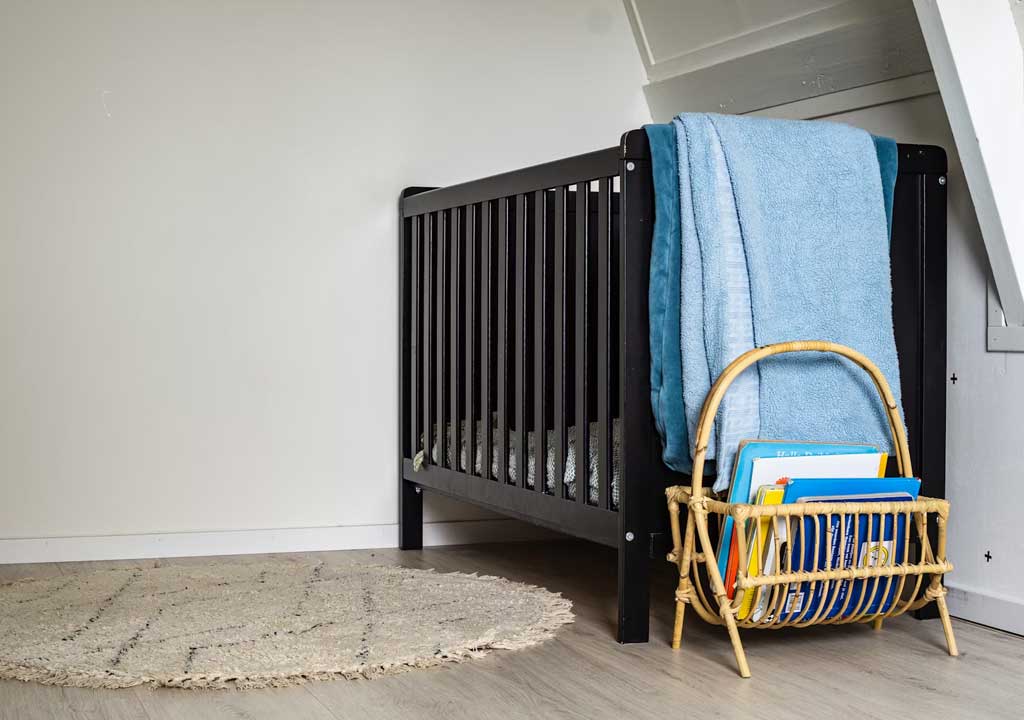
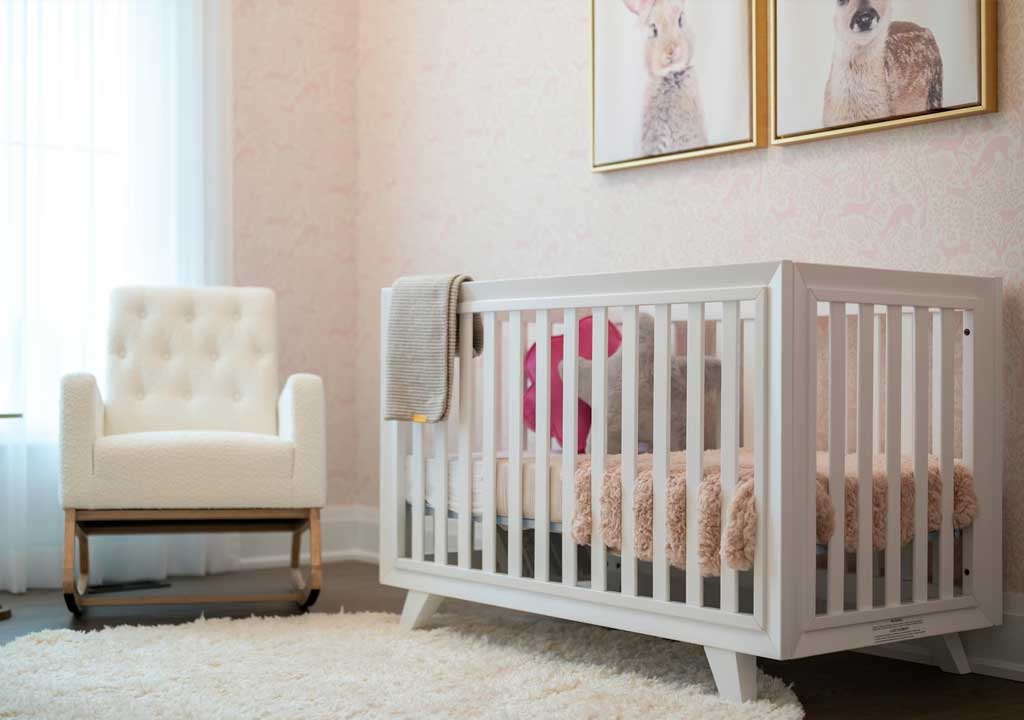
Mini cribs and compact cribs are designed to fit small rooms without sacrificing safety. Look for models that:
- Have a stable, sturdy frame and adjustable mattress heights.
- Offer a narrow footprint compared to standard cribs.
- Convert to a toddler bed or daybed to extend usability without buying a separate piece of furniture.
- Optionally include built-in storage drawers or a shelf for essentials, reducing the need for a separate dresser.
Tips for placement:
- Place the crib against a wall to free up floor space. If possible, keep the changing area within arm’s reach of the crib for late-night nappy changes.
- Ensure at least three feet of clearance around the crib for safe access and airflow.
When planning a convertible model, check the conversion parts and the stability of the bed frame. Some models convert to a full-size bed in the future, which can be a smart long-term investment for dancers of room who want to minimize furniture turnover.
Portable Play Yards (Pack ’n Plays) with Bassinets
Pack ’n plays are versatile workhorses in tight spaces. A compact play yard with a built-in bassinet or changing station can serve as a sleeping space, play zone, and diapering area in one portable unit. Key features to look for:
- Lightweight frame and a compact fold for quick storage.
- Removable bassinet insert for easy diapering and soothing.
- Washable mattress and fabric, with a breathable design for safety.
- Wheels or a lightweight handle for easy repositioning around the room.
Best practices:
- Use the play yard as a central, accessible hub rather than moving it around the room all day.
- Keep a dedicated spot for the play yard so you can fold and store it in the same area when not in use.
Other Sleep-Friendly, Space-Saving Options
Lightweight rocking seats, bedside sleepers, and bedside cribs can provide additional space-saving sleep options, especially for parents who want baby nearby but not in bed with them. Consider:
- Bedside sleepers that attach to the parents’ bed, allowing for easy night feeds and closeness without a full-size crib in the room.
- Crib organizers or caddies that attach to the rail, keeping essentials within arm’s reach.
- Breathable mesh fabrics and simple, washable designs to reduce clutter and maintenance.
Remember safety first: ensure that any sleep gear complies with current safety standards and fits your room’s dimensions without encroaching on walkway space or obstructing exits.
Diapering and Changing: Compact, Multi-Functional Stations
Diapering is a daily, sometimes hourly, task in a nursery. A changing station that doubles as storage helps you keep the space tidy and functional.
Changing Tables That Double as Dressers
A changing table with built-in drawers or a dresser topper is a real space saver. Look for:
- A sturdy, broad top compatible with a removable changing pad.
- Locking drawers or doors to hide clutter and maintain a clean aesthetic.
- Soft-close mechanisms for quiet, safe operation.
- Rounded edges and a stable base to prevent tipping.
Placement tips:
- Keep the changing station near the crib for late-night diaper changes, but avoid placing it directly between doors or at a high-traffic corner where it could feel cramped.
- Use the lower drawers or cabinets to store diapers, wipes, creams, and spare clothes so everything you need is reachable without leaving the area.
Wall-Mounted and Fold-Down Changing Tables
For ultra-tight spaces, wall-mounted or fold-down changing tables offer a minimal footprint. Look for:
- Secure mounting hardware and a safety strap to secure the baby during changes.
- A wipe-clean, water-resistant surface for easy cleanup.
- Compact dimensions that still accommodate standard changing pad sizes.
Keep a small organizer mounted nearby for wipes, creams, and extra diapers. A fold-down option is especially valuable if you occasionally need to repurpose the space for another function, such as a workstation or a reading nook.
Changing Pad Accessories and Storage
With limited space, organization is essential. Consider:
- A changing pad with a washable cover that’s easy to wipe down after diaper blowouts or leaks.
- Waterproof organizers or pouches that attach to the dresser, chair, or wall to hold wipes, creams, and disposal bags.
- Diaper pails with odor-control features that fit beneath the changing surface or in a nearby cabinet.
Storage Solutions: Making Every Inch Count
Efficient storage is the backbone of any small nursery. By maximizing vertical space and using modular, stackable units, you can keep the room organized and calm.
Closet Organization that Actually Works
Even a small reach-in closet can become a well-organized sanctuary with the right tools. Consider:
- Adjustable hanging rods to create two levels of clothing storage as your baby’s wardrobe grows.
- Closet organizers with drawers, open bins, and cubbies to separate outfits by size, season, and type (onesies, sleepwear, hats).
- Clear or labeled bins so you can quickly find what you need during late-night wardrobe changes.
Tips for closet efficiency:
- Invest in slim, non-slip hangers to maximize space and keep clothes wrinkle-free.
- Use shelf dividers to keep stacks from toppling, especially for bulkier items like blankets and swaddles.
- Keep a small rotating stash of clothing in the nursery’s dresser drawers or a nearby storage bin for quick changes without digging through the entire closet.
Under-Bed and Over-Bed Storage
If your nursery sits over a storage space or you can fit a thin under-bed bin, use it for off-season clothing, blankets, or backup diapers. For over-the-crib storage:
- Install floating shelves or a slim wall cabinet above the crib or changing area to keep essential items within reach but out of sight.
- Use labeled baskets or fabric bins on open shelves to quickly locate items.
Grab-and-Go Storage for Nighttime Essentials
Nighttime feeds and diaper changes go more smoothly when essentials are at hand. Consider small, accessible containers on a nearby chair or shelf, such as:
- Wipes, a small diaper pail, and spare diapers stored in a low drawer organizer.
- Spare outfits folded and placed in a shallow bin near the changing area to handle leaks and blowouts without a mad scramble.
Multi-Functional Furniture: The Core of a Tidy, Flexible Nursery
In small spaces, furniture that serves more than one purpose is priceless. Here are some reliable combinations that keep the room uncluttered while growing with your baby.
Dresser-Changing Table Combos
A traditional dresser with a removable changing top is a classic space saver. It provides a sturdy surface for diaper changes and a generous amount of storage for clothing and accessories beneath. Choose:
- Durable, baby-safe finishes that can withstand frequent cleaning and wear.
- Drawers or doors at a height that’s comfortable for you to access without bending or reaching awkwardly.
- A changing pad with safety straps and a water-resistant cover for easy cleaning.
Compact Gliders or Rocking Chairs with Footstools
If you enjoy a cozy seating area for feeding or soothing, opt for space-saving chairs that fold or tuck away when not in use. Look for:
- Smaller dimensions and ergonomic support for long sessions.
- Removable, washable upholstery or fabric that’s easy to clean.
- A matching ottoman or footstool that can be tucked under the chair or moved to the side when space is tight.
Modular Seating and Tables
Modular seating, such as small sectionals or ottoman-and-table combos, can be rearranged to create a cozy corner or opened into a larger surface for playtime. Features to look for include:
- Split components that can be relocated or stacked as needed.
- Sturdy construction to support use as a climbing-free play surface for tummy time or reading.
- Storage options within the furniture itself, like hidden compartments or lift-top surfaces.
Floating and Wall-Mounted Units
To free floor space, install floating shelves, a wall-mounted changing station, or a compact wall desk that can double as a workspace for caregivers or a play area base for toys. Consider:
- Secure mounting with proper wall anchors appropriate for your wall type (drywall, studs, masonry).
- Rounded edges on any surfaces to avoid injuries in a small, busy nursery.
- Aesthetic cohesion—choose finishes that complement the crib and dresser for a calm, unified look.
Vertical Space, Smart Organization, and Aesthetic Calm
Small nurseries benefit enormously from vertical storage and a calm color palette. The goal is to create a space that feels open yet cozy, not cluttered.
Vertical storage ideas:
- Tall bookcases or pantry-style cabinets that reach toward the ceiling, with adjustable shelves for flexible storage of books, toys, and supplies.
- Over-the-door organizers and hooks to store hats, blankets, and small toys without consuming floor space.
- Floating wall organizers for daily-use items near the crib or changing area.
Color and decor tips for a sense of airiness:
- Choose a light, cohesive color palette with soft neutrals and a few accent colors. Lighter walls make a room feel larger, and coordinated colors help everything look intentional rather than crowded.
- Incorporate soft lighting and mirrors to reflect light and create a more expansive feel.
- Keep textiles simple and durable—think breathable cottons or blends that wash well and resist pilling.
Strollers and Travel Gear: Compact, Careful Integration
While a nursery is primarily about sleep and diapering, your overall setup also benefits from gear that travels well, especially in small living spaces where you may move items between rooms or to the car often. Here are space-conscious options and how to integrate them inside your nursery planning:
- Choose a stroller with a compact fold and a small footprint when closed. A travel system that fits neatly into a corner of the room or behind a door can avoid crowding the entryway.
- Use a car seat base station near the door or in the car to streamline transitions from home to car without repeatedly lugging heavy gear through the nursery.
- Stow a lightweight, foldable baby rocker or portable seat in a corner for quick seating—especially helpful during diaper changes or outfit swaps.
Tip: If you don’t have a dedicated entryway, consider a discreet storage solution, such as a slim console or a bench with hidden storage, to keep strollers and car seats ready without obstructing room flow.
Safety and Maintenance in a Small Nursery
Small spaces can pose unique safety challenges, mainly due to crowding and the proximity of furniture to play zones. Here are safety and maintenance tips to keep your nursery safe, tidy, and comfortable:
- Anchor heavy furniture to the wall to prevent tipping. This is especially important for dressers, bookcases, and storage units in small rooms where babies may climb or reach higher surfaces later on.
- Keep cords, blinds, and electrical outlets out of reach. Use cord divertors and outlet covers, and choose cordless window coverings where possible to reduce hazards.
- Use secure, washable covers on changing pads and keep a bin of wipes and a trusted diaper cream area within easy reach.
- Regularly declutter. Small spaces can accumulate items quickly; schedule a monthly purge to keep the room breathable and easy to clean.
- Choose fabrics and finishes that are easy to clean and resistant to stains or moisture, especially for changing stations and seating areas.
Practical Shopping Checklist for a Small Nursery
Use this concise checklist as a quick reference when shopping for a space-saving nursery. It covers the core categories and helps you prioritize essential items first:
- Crib or mini crib with convertible options
- Compact changing station (dresser-top or wall-mounted)
- Closet organization system (adjustable rods, bins, shelves)
- Under-bed or wall-mounted storage solutions
- Multi-functional furniture (dresser that doubles as changing table, modular seating)
- Portable play yard or pack ’n play with bassinet
- Wall-mounted shelves and hooks for vertical storage
- Compact rocking chair or glider with a footstool
- Good quality, washable textiles and mattresses with easy-clean covers
- Smart lighting (dimmable or warm white) and a simple blackout solution for naps
As you shop, measure every item against your space plan. If possible, bring a tape measure and a notepad to the store so you can test-fit items in your planned layout. Remember to leave pathways clear and to think about how the baby will grow. A piece that fits beautifully in month one might be too small or too limiting in six or twelve months’ time, so look for options that offer flexibility and long-term usability.
Design Aesthetics: Keeping the Space Calm and Inviting
A small nursery doesn’t need to feel cramped or clinical. The right design choices can maintain an airy feel while keeping the room cozy and welcoming for baby and caregivers alike.
- Use a cohesive palette that combines light neutrals with soft, gender-neutral accents. This creates a soothing backdrop that makes the space feel larger and more tranquil.
- Incorporate soft textures and gentle patterns in textiles like crib sheets, blankets, and curtains. Subtle patterns add depth without visually crowding the space.
- Keep decor minimal and intentional. A single focal piece, such as a wall art print or a small rug, can anchor the room without overwhelming it.
- Consider a mirror to visually expand the space. Place it where it reflects natural light or adds a sense of depth to the room.
Remember, the goal is a sanctuary that supports sleep and caregiving. The best space-saving nursery is one that feels balanced, safe, and easy to navigate—the kind of room you can enjoy as much as your baby does.
Maintenance and Longevity: Getting the Most from Your Gear
Investing in space-saving nursery gear pays off when you maintain it well. Here are some quick maintenance tips to ensure your pieces last and continue to function well as your baby grows:
- Follow manufacturer care instructions for fabrics and finishes. Quick wipe-downs and regular spot-cleaning extend the look and durability of textiles.
- Check hardware and fasteners periodically to prevent loosening. Tighten screws on cribs, changing tables, and shelves as needed.
- Rotate toys and books seasonally to keep the play area fresh and stimulating without cluttering the room.
- When not in use, fold and store portable gear in a designated spot. This keeps the nursery looking neat and makes setup quick for naps or night changes.
Wrapping It All Up: A Sample Small-Nursery Floor Plan
Although every space is unique, here’s a simple, practical layout that fits in many small rooms. You can modify this to suit your actual dimensions and preferences:
- Crib against one wall (preferably with the shortest route to the door). Choose a model with a low profile to keep sightlines open.
- Multi-functional dresser that doubles as a changing station placed within arm’s reach of the crib.
- Floating shelves above the dresser for essentials and decorative touches without taking up floor space.
- Compact glider or small rocking chair in a corner with a small ottoman that tucks under the chair.
- A slim closet organizer or a tall, narrow storage cabinet on the opposite wall for clothing, toys, and blankets.
- Under-bed or wall-mounted storage bins for off-season clothes and larger items like extra blankets.
With this kind of arrangement, you maintain a calm, navigable space while ensuring you have everything you need close at hand. A small nursery doesn’t have to be cramped; with space-saving gear and thoughtful planning, you can create a soothing, efficient environment that supports both baby and caregiver.
Final Thoughts: Embrace the Power of Space-Saving Solutions
A small nursery is an opportunity to exercise creativity and strategic thinking. By prioritizing multi-functional furniture, vertical storage, and compact sleep gear, you can build a space that looks larger than it is while meeting all your baby’s needs. The best gear for small nurseries isn’t just compact—it’s adaptable, easy to clean, and designed to grow with your child. Remember to plan, measure, and visualize how each piece will live in your room across the months ahead. With a thoughtful approach, you’ll create a nursery that is not only practical but also a welcoming, serene space for your family’s precious early years.
If you’d like, I can tailor this guide to your exact room dimensions. Share the room’s measurements, door orientation, and any fixed features (radiator, closet, window, etc.), and I’ll draft a precise layout and gear list that matches your space and budget.
LIKED THIS ARTICLE? SHARE IT: