





















































Safe Sleep Essentials: Crib, Mattress, and Monitor Picks

Safe Sleep Essentials: Crib, Mattress, and Monitor Picks
Welcoming a newborn into your home comes with a long list of decisions, big and small. Among the most important is how to create a safe sleep space. The right crib, mattress, and monitoring setup can help reduce risk and give you peace of mind as you navigate the early months of parenthood. This guide covers practical, evidence-based considerations for each essential component—cribs, mattresses, and monitors—along with thoughtful “picks” to consider across budgets. Remember: while gear plays a role, the core safety steps remain consistent—back-to-sleep positioning, a firm and flat sleep surface, and a sleep environment free of loose bedding and soft objects. Always follow the latest guidelines from trusted pediatric organizations and consult your pediatrician with any questions specific to your baby.
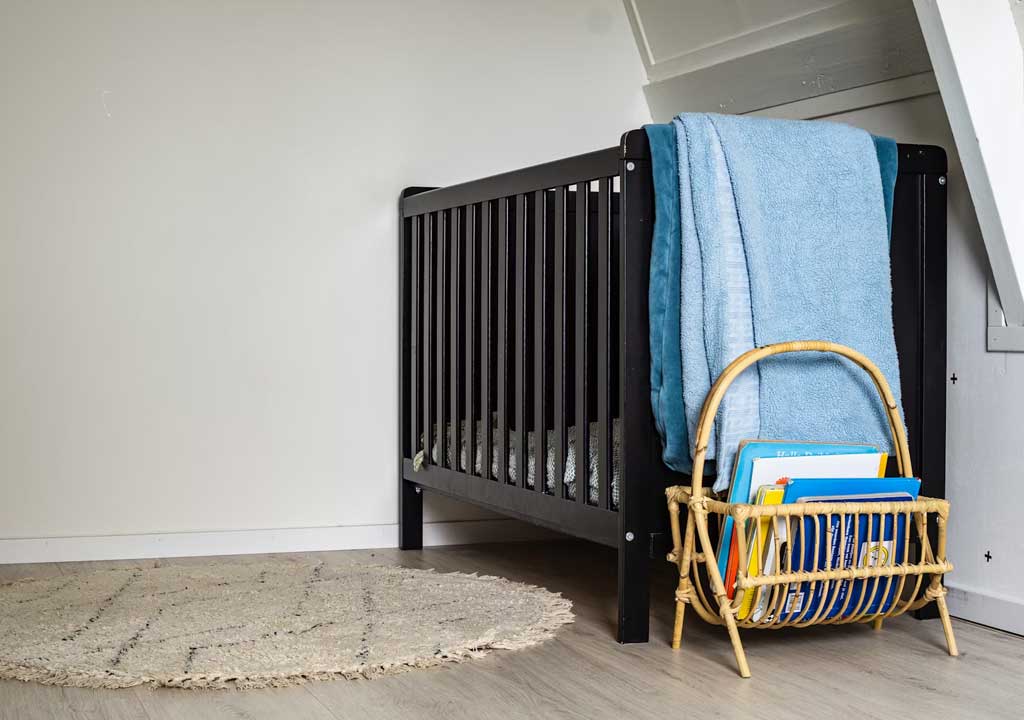
Crib Choices That Promote Safety
The crib you choose should provide a sturdy, clean, and safe sleep space. Here are the critical pillars to focus on when evaluating options.
- Structural integrity and standards: Look for cribs that meet current safety standards and carry credible certifications (for example, JPMA certification and compliance with recognized safety standards such as ASTM F1169 and 16 CFR Part 1219). These standards address important details like finish quality, slat strength, and overall frame integrity.
- Stationary sides only: Drop-side cribs have been prohibited in the United States for many years due to safety concerns. Choose a crib with stationary sides that stay rigid and secure.
- Slat spacing: Crib slats should be close enough to prevent a baby’s head or limbs from slipping through. A widely accepted guideline is 2 3/8 inches (about 6 cm) or less between slats.
- Finish and materials: Opt for a crib with a durable, non-toxic finish. Avoid heavy, ornate hardware that could snag clothing or skin. Look for low-VOC finishes and smooth, splinter-free surfaces.
- New over used: For safety reasons, many parents opt for a new crib. If you’re considering a secondhand model, inspect for recalls, missing hardware, and wobble. If there’s any doubt, it’s safer to replace it with a newer, certified model.
- Adjustable mattress height: A crib with adjustable mattress positions can help you place the baby safely and adjust as they grow. Ensure the chosen height settings are sturdy and lock securely.
- Convertible considerations: Some cribs convert into toddler beds or daybeds. If you plan to use a convertible option, verify that the conversion hardware and instructions are up to date and that the crib remains compliant with current standards when converted.
Practical tip: when you’re shopping, bring a small flashlight or use your phone camera to inspect gaps and joints for rough edges, loose pieces, or protruding hardware. A quick test: grab the mattress area and lightly push on each slat to confirm there’s no wobble or creaking. A safe crib should feel solid with no play in the joints.
Mattress Matters: Firmness, Fit, and Materials
The mattress is the foundation of a safe sleep space. A firm, flat, properly fitting mattress reduces the risk of suffocation and entrapment. Here’s what to look for and why it matters.
- Firm, flat sleep surface: The pediatric guidance emphasizes a firm, flat mattress that supports an infant’s spine without sagging. Soft mattresses or mattresses that indent easily can create a risk when a baby rolls or repositions. If you can press the surface with your fingertip and it sinks more than a small amount, that’s a sign it may be too soft.
- Proper fit is non-negotiable: A snug fit means there should be no gaps between the edge of the mattress and the crib; items should not be able to slip into any spaces. A gap large enough for a limb or a finger to get between the mattress and the crib frame can pose a risk of entrapment. Test the fit by running your hand around the seam and ensuring there are no pinched or loose spots.
- Materials and construction: Look for mattresses with non-toxic materials and formaldehyde-free finishes. Waterproof or wipe-clean covers are convenient for messes, but ensure the cover itself is snug and does not add slack or bulk that could affect the fit inside the crib. If you choose a foam-based mattress, confirm it’s a high-density foam designed for infant sleep and that the cover is easily washable.
- Breathability and temperature considerations: While not a substitute for safe sleep practices, many parents appreciate mattresses and covers that help with airflow and temperature regulation. If you’re considering breathable foam/breathable core designs or vented covers, verify that they do not compromise firmness and fit.
- Size compatibility: Cribs come in standard dimensions, but there are variations. Always measure your crib’s interior dimensions and compare with the mattress dimensions. The mattress should be within a half-inch to one inch of the crib’s interior length and width, leaving no large crevices or gaps at the corners.
Regarding mattress age and replacement: mattresses can wear out over time, and a sagging surface or worn cover can compromise safety. If you notice permanent indentations, sagging, or frayed covers, it’s wise to replace the mattress. Also, keep in mind the sleep environment is dynamic; as your baby grows, you might switch to a larger or more supportive model when appropriate and recommended by your pediatrician.
Monitor Picks: Finding a Trustworthy Setup
A baby monitor can provide valuable reassurance to caregivers, especially during the night. It’s important to emphasize that monitors are not a substitute for safe sleep practices. A monitor’s purpose is to help you respond promptly to noises, movement, or temperature changes, not to replace the precautions that reduce SIDS risk. When selecting a monitor, consider the following categories and features.
- Best all-around video monitors: If you prefer a live view of baby and want two-way communication, look for a model with a clear night-vision camera, reliable video feed, decent range in your home, secure transmission, and a straightforward interface. Features to consider include pan/tilt capability, room-temperature monitoring, and lullaby options to help soothe baby without entering the room.
- Best budget audio monitors: For a cost-conscious option, a reliable audio monitor lets you hear baby clearly and often includes a long battery life and simple pairing. Audio-only monitors reduce potential privacy or security concerns that can arise with video devices.
- Best non-Wi-Fi (analog/2.4 GHz) options: Some families prefer non-Wi-Fi systems that do not connect to the internet, reducing privacy concerns. Look for FHSS (frequency-hopping spread spectrum) or other secure transmission methods, and check that the monitor offers good range in your home without requiring an internet connection.
- Best Wi-Fi-enabled or app-connected monitors: If you value features like remote viewing on a smartphone, cloud video storage, or smart home integration, Wi-Fi-enabled monitors can be very convenient. Verify encryption standards, data privacy policies, and whether you can disable cloud features if you prefer a more private setup.
- Breathing/movement-sensor monitors (optional): Some families use wearable socks or under-mattress sensors that monitor heart rate, oxygen levels, or movement. These can be helpful for certain risk factors, but it’s important to understand that such devices have limitations and are not a guarantee of safety. Discuss with your pediatrician how these devices fit into your sleep routine and what alerts you should expect.
- Room-setup considerations: Regardless of the monitor type, place the baby’s crib away from cords, drapes, and window blinds. The monitor should be set up so you can hear or see baby clearly from your usual sleeping area, with a comfortable and accessible volume or alert threshold for your hearing. Keep spare batteries and ensure chargers don’t create tempting cords within reach of the crib.
Practical tip: read reviews and verify the product’s safety certifications and recall history. If you’re choosing a connected monitor, review privacy policies and consider whether you’re comfortable with data handling by the manufacturer. Always test the monitor before baby arrives to ensure you know how to respond quickly if an alert goes off in the middle of the night.
Picks Across Budgets: What to Look For
Whether you’re shopping on a tight budget or investing in longevity pieces that will carry you through several children, these guidelines can help you select gear that balances safety, function, and value.
- New stationary-sided cribs with adjustable mattress heights and clear assembly instructions.
- Choose models with smooth-sanded edges and minimal hardware that could snag clothing.
- Look for products with reliable customer support and clearly stated recall history.
- A firm, flat infant mattress with a snug fit and a washable, water-resistant cover.
- Prefer materials free of harmful chemicals and with low-VOC certifications where possible.
- Consider a mattress cover that is easy to remove and launder to keep the sleep area clean and hygienic.
- Budget: a dependable audio monitor with adequate range and simple setup.
- Mid-range: a video monitor with secure transmission, better night vision, and a two-way talk feature.
- High-tech: a Wi-Fi-enabled monitor with app access, optional cloud storage, and movement/breathing alerts (useful for some families, but discuss with your clinician).
- Non-Wi-Fi preference: a closed-system monitor that protects privacy while providing clear audio or video.
Remember that prices and models change over time. When in doubt, ask a pediatrician, a family they trust, or a certified infant-safety expert for current recommendations. Always compare products not only on price but also on how well they fit your home, your baby’s temperament, and your family's safety practices.
Safe Sleep Setup: Putting It All Together
A safe sleep environment isn’t just about individual items; it’s about how you configure the space and establish routines. Here are practical steps to maximize safety in your nursery.
Always place your baby on their back to sleep for every nap and nighttime sleep, until advised otherwise by your pediatrician. If baby rolls onto the tummy on their own, you don’t need to reposition them, but always start them on their back. - Firm, flat sleep surface: The mattress should be firm and flat with no soft objects, blankets, pillows, or bumpers in the crib. A sleep sack or wearable blanket can help keep your baby warm without introducing loose blankets.
- Sleep environment: Keep the crib free from pillows, stuffed animals, and bumper pads. For room temperature comfort, ensure the room is neither too hot nor too cold, and consider a wearable temperature monitor or a simple room thermometer to maintain a comfortable range.
- Clothing and layering: Dress your baby in an appropriate layer to avoid overheating. Over-bundling can increase risk; less is often more when it comes to infant sleepwear.
- Co-sleeping and room-sharing: The AAP recommends room-sharing (the baby in the same room as the parent but in a separate sleep surface) for at least the first six months and ideally up to one year. This arrangement reduces the risk of SIDS by providing quick access for feeding and comforting while keeping baby on a safe sleep surface separate from the adult bed.
If you choose to use a monitor, incorporate it as part of a broader safety plan rather than relying on it as a fail-safe. Check the battery status, test alarms, and keep a routine to respond promptly to alerts. While monitors can be comforting or helpful, they cannot guarantee safety, so maintaining a safe sleep setup remains essential.
Common Questions and Quick Troubleshooting
Here are concise answers to questions many parents have when assembling safe sleep gear.
- Do I really need a new crib? If you’re buying a crib, choosing a new, certified model is the safest option. If you’re considering a used crib, inspect it thoroughly for recalls, structural integrity, intact hardware, and no missing or broken pieces. If there’s any doubt, opt for a new model that meets current safety standards.
- How do I test for a proper mattress fit? Place the mattress in the crib and run your hand around all four edges to ensure there are no gaps. The mattress should sit flush against the crib frame with no indentation or sagging. If you can pinch or insert a finger into the gap, the fit is not snug enough.
- Can monitors prevent SIDS? No monitor can prevent SIDS. Monitors are tools to help caregivers monitor sound, movement, or breathing patterns and to provide notification if something requires attention. They should complement, not replace, safe sleep practices described by pediatric guidelines.
- What about breathable bumpers or mesh liners? The safest choice is to avoid bulky padding and bumpers altogether. Some breathable bumpers claim to reduce suffocation risk, but evidence is inconclusive, and many experts still advise against using any bumper pads inside the crib. Always prioritize a bare sleep surface with a snug-fitting sheet.
Bottom Line: A Practical Checklist
To help you plan, here’s a concise checklist you can save or print:
- Crib: stationary sides, slat spacing 2 3/8 inches or less, meets current standards, non-toxic finish, new or fully inspected for safety.
- Mattress: firm and flat, fits tightly to the crib, cleanable cover, non-toxic materials, and no sagging.
- Safe sleep space: plain sheet, no loose bedding or bumpers, appropriate sleepwear, suitable room temperature.
- Monitor: choose based on your needs (video vs audio vs movement), understand privacy implications for Wi?Fi models, test system before baby arrives.
- Room-sharing: plan to have baby sleep in your room for at least the first several months if possible, following pediatric guidance.
Final Thoughts: A Safety-First Mindset
Creating a safe sleep environment is a dynamic process. As your family grows and as new products come to market, revisit your crib, mattress, and monitor choices to ensure they still align with the latest safety guidance. Talk with your pediatrician about your specific situation—factors like prematurity, respiratory concerns, or other medical considerations may influence the best approach for your baby. By prioritizing a firm sleep surface, a snug fit, and a clear, safe sleep routine, you’ll be taking the most important steps toward reducing risk and helping your baby thrive.
If you’d like, tell me your budget range, preferred crib style (modern, classic, convertible), and whether you want Wi?Fi features or non?Wi?Fi gear. I can tailor the picks to your needs and point you toward current, well-reviewed options you can compare in your local stores or online.
LIKED THIS ARTICLE? SHARE IT: