



















































Sleep Milestones: Gear and Gadgets for Happy Naps and Nights

Sleep Milestones: Gear and Gadgets for Happy Naps and Nights
Sleep is more than a nightly routine; it is a series of evolving milestones that follows a child’s growth and a grown?up’s daily rhythms. From the first peaceful nap in a bassinet to a teenager who can wind down without parental help, different life stages come with different sleep needs—and different opportunities for gear and gadgets to help. The right combination of comfort, safety, and a little tech can turn restless nights into restorative rest, while keeping you firmly rooted in evidence-based practices around sleep health. This guide walks you through the key sleep milestones across life stages and pairs them with practical gear and gadget recommendations—designed to foster happy naps and nights without turning your bedroom into a gadget bazaar.
Understanding Sleep Milestones Across Life Stages
Sleep milestones are patterns of consolidation, duration, and independence that show up as children grow and adults adapt to changing work, school, and lifestyle demands. For infants, the milestone is often the shift from irregular, short naps to longer stretches at night, with predictable daytime naps. For toddlers, the milestone is learning to self-settle and nap with less parental intervention, and gradually moving toward a consistent bedtime. School-age children typically consolidate sleep further and may need tech boundaries to protect bedtime. Teens face biological shifts toward later bedtimes and the need for adequate total sleep, which may require savvy scheduling and sleep-friendly environments. Adults also have milestones—establishing a consistent sleep window, using tools to improve sleep quality, and balancing naps with nighttime sleep when needed.
Across all ages, the core ingredients stay the same: a safe sleep space, a predictable wind-down routine, a comfortable bed and environment, and, where appropriate, tools that support relaxation, timing, and awareness of sleep patterns without creating dependency or risk. The gear and gadgets below are organized by life stage and general need, with a note on safety and best practices so you can tailor your kit to your family’s unique rhythm.
Infants and Newborns: Creating Safe, Soothing Naps
The infant stage is less about gadgets and more about creating a safe, consistent sleep environment. Milestones here center on back?to?sleep positioning, establishing a predictable routine, and helping parents feel confident about nighttime and daytime naps.
Key gear and gadgets to consider for infants:
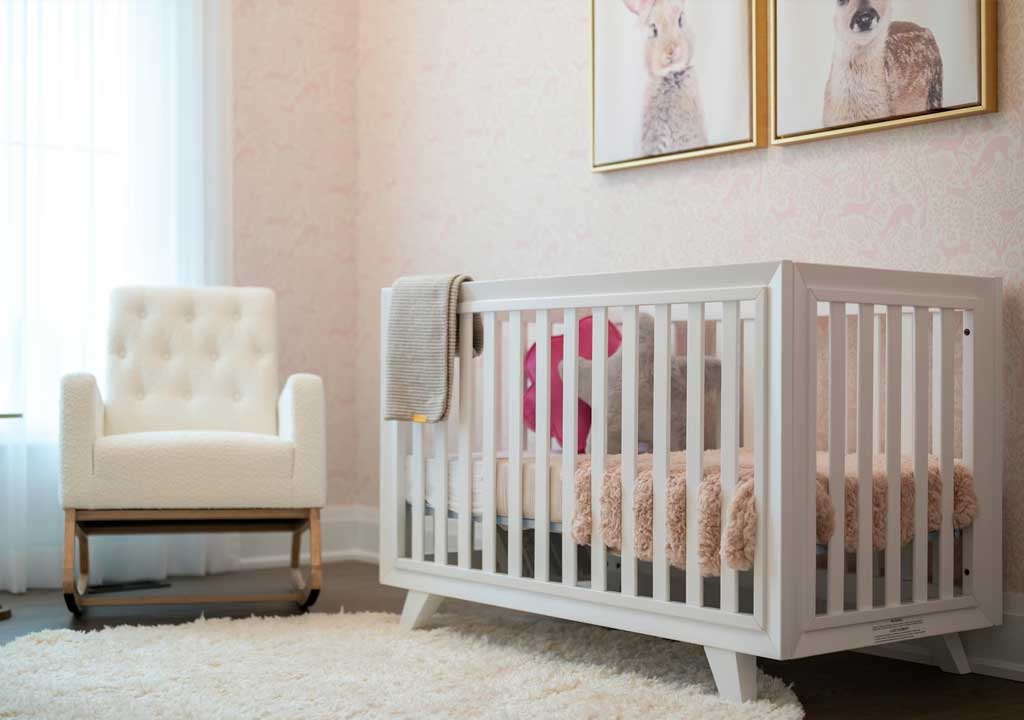
- Bassinet or crib with a firm, flat mattress and a well-fitted sheet. The sleep surface should be free of pillows, stuffed animals, and loose blankets. A simple, breathable sleep surface reduces risk and supports safe sleep, which remains the top priority in this stage.
- Sleep suits, wearable blankets, or sleep sacks appropriate for the baby’s age and weight. These provide warmth without loose blankets and can keep baby comfortable through naps and overnight.
- White noise machine or a smartphone app with gentle, consistent sound. A steady, low-level noise can help mask household sounds and create a soothing environment for sleep. Keep the volume at a safe level and place the device at a distance from the crib.
- Blackout curtains or dimming window coverings. Many newborns benefit from a dimmed environment during daytime naps as well as at night, supporting the body’s natural circadian cues.
- Room thermometer and humidity monitor. A steady, comfortable room temperature (often discussed as roughly 68–72°F or 20–22°C) and balanced humidity support better sleep quality and help prevent discomfort that can wake a baby.
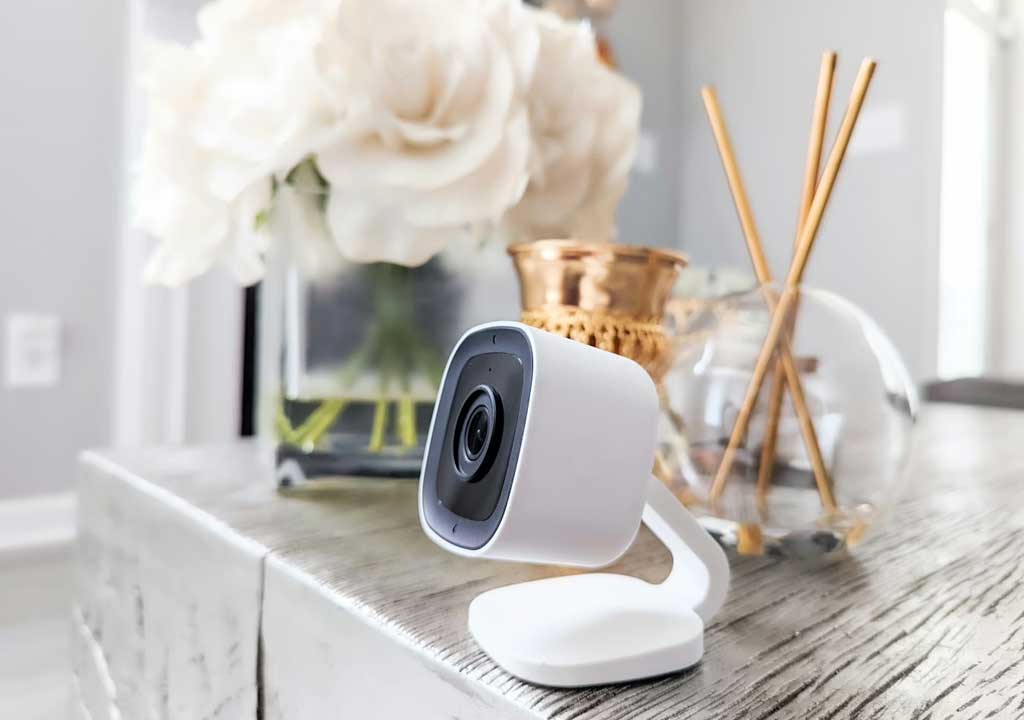
- A reliable baby monitor. Audio monitors provide reassurance during nighttime checks, and video monitors can be helpful early on if you want to visually confirm that baby is sleeping soundly. Choose monitors with clear audio, secure connections, and a privacy-conscious design.
Safety note: Always follow current pediatric sleep guidelines. Place babies on their backs to sleep, use a firm sleep surface, avoid soft bedding, and keep the sleep area uncluttered. Gadgets should support safety and routine, not replace hands-on care or professional advice when concerns arise.
Toddlers and Preschoolers: Naps, Transitions, and Self-Soothing
As babies grow into toddlers and then preschoolers, the sleep milestones shift toward longer daytime naps, earlier bedtimes, and the emergence of self?soothing skills. The right gear can support a calmer bedtime routine, easier transitions, and a more predictable night.
Useful gear for this stage:
- Blackout curtains and a consistent nap/bedtime routine. Toddlers are sensitive to light and routine, so a predictable schedule helps cue the body for sleep.
- White noise or nature sounds. A gentle background hum can reduce disruptions from household activity and help a toddler settle more quickly.
- A child-safe nightlight. A soft, low-light nightlight provides just enough visibility for a parent to check in without disrupting the child’s melatonin production.
- A sleep training clock or visual cue. Clocks that show when it’s okay to get out of bed (versus the standard alarm clock) can help a child learn to stay in bed until morning.
- A comfortable toddler bed or transition bed setup. A stable, age-appropriate bed reduces nighttime fear and supports independent sleep.
- Breathable sleep clothing and blankets. Avoid heavy or overly warm gear; opt for breathable fabrics to prevent overheating.
Practical tips:
- Keep a consistent bedtime routine—bath, teeth brushing, story, and lights out—so your child associates this sequence with sleep.
- Use a transitional object (a security blanket or a favorite stuffed animal) to help your child feel secure at bedtime and during naps.
- Encourage independent falling asleep by gradually reducing parental presence at bedtime. Short, predictable checks can reassure without becoming a sleep crutch.
School-Age Children and Teens: Consolidation, Boundaries, and Wellness
School-age kids and adolescents face longer days and later schedules, especially with extracurriculars and screen time. Sleep milestones in this stage include further consolidation of nighttime sleep, improved ability to fall asleep on their own, and better awareness of how to use sleep-related gear to optimize rest without disrupting daily routines.
Gear and strategies that fit this stage:
- Blue-light blocking glasses or feature-limited device settings in the evening. Blocking or reducing blue light can help tilt the body toward sleep and improve wind-down time if screens are used.
- Sunrise alarm clocks and gentle wake devices. These devices simulate dawn and help teens wake more smoothly by gradually increasing light and reducing morning grogginess.
- Tech curfews and device-free wind-down periods. A nightly window without electronics supports melatonin production and a more consistent bedtime.
- Quality mattresses, pillows, and breathable bedding. A well-matched sleep environment reduces discomfort that can wake a teen during the night.
- Air quality aids: humidifiers or air purifiers. Clean air and comfortable humidity help respiratory comfort and can improve sleep quality, especially for allergy sufferers.
- Lightweight, safe nightlights. If a teen uses a nightlight, it should be dim and non-stimulating to avoid disrupting sleep.
While gadgets can be helpful, the emphasis should remain on healthy habits. Encourage a predictable nightly routine, limit caffeine late in the day, and ensure adequate total sleep time for growing bodies.
Adults: Naps, Nights, and Smart Sleep Hygiene
For adults, sleep milestones often center on optimizing sleep quality within a busy life. The goal is not simply to sleep longer but to sleep more efficiently and wake up refreshed. Gadgets and gear at this stage focus on comfort, climate control, noise reduction, and data-driven insights—without creating dependence on devices.
Key gear and gadgets for adults:
- A high-quality mattress and pillow system tailored to your preferred sleep position. Comfort is highly personal—what works for one person may not work for another. Consider a trial period and a return policy when shopping.
- Temperature control: a smart thermostat, ceiling fan, or portable cooling/heating devices. A cool, comfortable bedroom—often around 60–67°F (15–19°C)—supports deeper sleep for many adults.
- White noise or ambient sound machines. For light sleepers or noisy environments, constant background sound can reduce wakeups during the night.
- Air quality improvements: an air purifier for allergens or a humidifier for dry climates. Clean air can ease breathing during sleep and reduce irritants that wake you.
- Eye masks and earplugs. High?quality eye masks block light, while comfortable earplugs can minimize disruptive noises without causing discomfort.
- Light-therapy considerations for winter months and mood-related sleep changes. Bright light exposure at the right times can help regulate circadian rhythms when used appropriately.
- Sleep trackers or wearables (fitness trackers, rings, or smartwatches). If you choose a device, use it as a guide—not a source of anxiety. Focus on trends rather than nightly perfect scores.
- Sleep-friendly lighting: warm, dim lights in the evening and gradually brightening wake lights in the morning. Smart bulbs can automate these transitions to support a natural wind-down and wake-up.
Mindful use of gadgets matters. The best gear improves your sleep without turning your bedroom into a gadget-filled control center. Privacy and data security are also important: review a device’s data practices, turn off unnecessary data sharing, and avoid devices that require continuous online connectivity if you’re uncomfortable with it.
How to Choose Sleep Gear: A Practical Guide
With so many gadgets on the market, how do you curate a sleep kit that actually helps? Here are practical criteria to help you pick wisely.
- Safety first: especially for infants and toddlers, choose gear that is designed with safety in mind and meets current safety guidelines. Avoid loose bedding, suffocation hazards, and anything that could be mistaken for a sleep aid that isn’t appropriate for a baby.
- Evidence and convenience: prefer devices that offer clear benefits grounded in sleep science (for example, light and sound cues that align with circadian biology). Avoid overreliance on devices that claim miracles without evidence.
- Personal fit: try gear with a flexible return policy or trial period. Sleep is personal; what helps one person sleep through the night may not work for another.
- Ease of use: the most effective gear is easy to set up and maintain. A complicated gadget that disrupts your routine can backfire. Simplicity often wins.
- Privacy and data security: review how data is stored and used. Turn off unnecessary features that collect data if you’re uncomfortable with them.
- Maintenance and longevity: consider cleaning requirements, battery life, and durability. You’ll be more likely to use gear consistently if it’s reliable and easy to care for.
Practical Setup: A 30-Day Sleep Gear Kickstart
If you’re starting from scratch, here’s a simple, gradual plan to introduce sleep gear without overwhelming the household.
Day 1–7: Establish a baseline—tidy the sleep space, set a consistent bedtime, and introduce a single calming element.
Day 8–14: Add a white noise or ambient sound device and blackout curtains or room-darkening shades for daytime naps or late sunsets.
Day 15–21: Introduce a sleep routine clock or gentle sunrise alarm for mornings and include a temporary temperature check (adjust thermostat or fan) to find your comfortable range.
Day 22–28: Consider a sleep-friendly lighting plan for evenings with warm bulbs and dimmers; add eye masks or earplugs if needed.
Day 29–30: Review how sleep has improved or what remains challenging. Decide which gadgets stay, which to adjust, and what new habits to reinforce.
Common Sleep Myths and Truths
Myth: More gadgets always mean better sleep. Truth: Quality sleep depends on a combination of healthy habits and appropriate gear. A single gadget won’t fix chronic sleep problems if routines and environment aren’t supportive.
Myth: If I sleep poorly, a wearable tracker will magically reveal the cure. Truth: trackers can help you notice patterns, but they don’t diagnose sleep disorders. Use them as a guide and pair them with healthy practices and, if needed, professional advice.
Myth: Light from sleep tracking devices is always harmful. Truth: many wearables have low-profile displays or can be configured to minimize light exposure at night. Consider devices that have quiet modes and noninvasive interfaces.
Myth: Napping is bad for nighttime sleep. Truth: well-timed, brief naps can be restorative and part of a healthy sleep plan, particularly for kids and adults who need midday rest.
Creating a Sleep-Gear Plan: Personalizing Your Setup
The best sleep setup is personalized. Consider your family’s routines, the ages involved, and any health concerns like allergies, asthma, or chronic pain. Here’s a simple framework to tailor gear to your needs.
- Define your sleep goals: Are you aiming to fall asleep faster, stay asleep longer, or wake up feeling refreshed? Your goals will guide gear choices.
- Align gear with milestones: Match items to developmental stages. For infants, safety and routine are paramount; for teens, balance screen time with gentle wake devices; for adults, optimize comfort and climate control.
- Test and adjust: Introduce one new item at a time. Give each addition a couple of weeks to evaluate its impact before adding another tool.
- Build a calm, technology-aware environment: Favor gear that supports a calm atmosphere—soft lighting, quiet devices, and minimal blue light in the evening.
- Prioritize safety and privacy: Especially for devices that connect to apps or the internet, review privacy settings, data sharing policies, and ensure devices are securely connected.
A Quick Shopping Checklist by Life Stage
To help you shop without overwhelm, here’s a concise checklist you can reference.
Infants:
- Firm sleep surface (bassinet/crib) with fitted sheet
- Sleep sacks or safe wearable blankets
- White noise machine
- Room darkening and temperature control
- Baby monitor with secure connection
Toddlers/Preschoolers:
- Blackout curtains
- Nightlight and comfort-friendly routine items
- Sleep training clock or visual cue
- Safe transition bed setup
School-age/Teens:
- Blue-light control measures (glasses or software)
- Sunrise alarm and a device-free wind-down period
- Quality mattress/pillows
- Air quality aids (purifier, humidifier as needed)
Adults:
- Quality mattress and personalized pillow
- Temperature control (thermostat, fans, or portable devices)
- White noise or ambient sound device
- Eye mask and/or earplugs
- Light-friendly bedroom lighting and smart lighting
- Wearable sleep tracker (optional) with a healthy usage mindset
Frequently Asked Questions
Q: How do I know if a gadget is worth the cost?
A: Start by defining your goal (e.g., fall asleep faster, stay asleep, wake up easier). Pick one gadget that directly supports that goal and evaluate its impact after two weeks.
Q: Are sleep gadgets safe for babies?
A: Prioritize established safety guidelines and avoid devices that could pose risks (e.g., heavy blankets, loose cords). White noise and a comfortable room environment can help, but always follow pediatric sleep recommendations.
Q: Can gadgets replace a healthy sleep routine?
A: No. Gadgets support and enhance a routine, but consistent schedule, wind?down rituals, and a comfortable sleep space are foundational.
Final Thoughts: Sleep Milestones as a Living Plan
Sleep milestones are not a one-time achievement but a moving target that shifts with age, health, and daily demands. The right gear and gadgets can help you reach these milestones more smoothly, but they work best when paired with consistent routines, safe sleep practices, and a mindful approach to technology use. Think of your sleep setup as an evolving system: you add, adapt, and occasionally retire items as needs change. By focusing on safety, comfort, and realistic goals, you can support happier naps and more restful nights for yourself and your loved ones.
If you’d like, tell me about your family’s sleep stage and priorities. I can tailor a personalized gear list and a 30-day plan that fits your budget, space, and routines.
LIKED THIS ARTICLE? SHARE IT: