




















































Safe, Stage-Ready Baby Gear: Choosing Products That Grow with Development

Safe, Stage-Ready Baby Gear: Choosing Products That Grow with Development
Babies grow in stages, and so should their gear. Parents and caregivers want equipment that stays useful as a child moves from newborn to toddler and beyond, without sacrificing safety in the process. The right gear can reduce clutter, lower the risk of accidents, and save money over time if it’s designed to adapt as development progresses. This guide outlines practical, evidence-based approaches to selecting stage-ready baby gear that remains safe and functional through multiple developmental phases.
Understanding Growth: Why Stage-Ready Gear Matters
Development unfolds in noticeable waves: sleeping more independently, mastering new motor skills, changing feeding needs, and shifting seating or play requirements. Each phase brings different hazards and new opportunities for growth. For example, a newborn needs snug sleep surfaces and secure swaddling options, while a toddler benefits from a sturdy high chair and a seat that can be converted into a booster or toddler chair. Choosing gear that can adapt to these shifts reduces the need to buy multiple specialized items and helps maintain consistent safety standards as milestones change.
When you select stage-ready gear, you’re balancing three core considerations: safety, adaptability, and ease of use. Safety means products meet current standards and are free of hazards such as choking risks, pinched fingers, or improper harnessing. Adaptability means items can be repurposed or reconfigured without compromising security. Ease of use covers how simple it is to assemble, clean, transport, and maintain the gear—factors that influence how consistently you’ll use it correctly, which in turn affects safety.
Core Principles for Safe, Growth-Oriented Gear
As you shop, anchor your decisions to these principles:
- Longevity and adaptability: Opt for pieces that transform—from infant to toddler stages or from feeding to seating roles—so you get more use out of each item.
- Safety at every stage: Look for 5-point harnesses, sturdy construction, stable bases, and compliance with current safety standards. Avoid products with known hazards for your child’s age or developmental stage.
- Clear age, weight, and height guidelines: Respect manufacturer limits, then verify you’re within them as your child grows. If limits are close, favor designs with higher maximums or multiple mode options.
- High-quality materials and finishes: Favor low-VOC finishes, splinter-free wood, smooth edges, and fabrics that are easy to clean and durable through multiple wash cycles.
- Ease of maintenance and inspection: Choose gear that’s simple to disassemble for cleaning, and that can be regularly inspected for wear, loose screws, or fabric fraying.
Sleep Solutions: Cribs, Bassinets, and Mattress Choices
Safe sleep is the foundation of development. As babies grow, their sleep environments should evolve too, especially when transitioning from newborn sleep to rolling, sitting, and eventually standing readiness.
Cribs that Grow with Your Child
Convertible cribs are popular for a reason: they can transition from crib to toddler bed, and sometimes into a daybed or even a full-size bed. When selecting a crib:
- Choose a model that converts into a toddler bed and a daybed or full bed, if possible, to maximize longevity.
- Verify slat spacing (generally 2 3/8 inches or 6 cm is a common standard) to prevent entrapment hazards for growing children.
- Confirm there are no drop-side rails. Drop-sides have been banned in the U.S. since 2010 due to safety concerns; avoid any product with them.
- Ensure a sturdy, properly fitting mattress with no gaps that could trap a child’s limbs or head.
When choosing a crib, consider materials and finish as well. Look for solid wood or engineered wood with non-toxic finishes and minimal solvents. A breathable, firm mattress of appropriate thickness promotes safe sleep and reduces the risk of suffocation or entrapment as a child learns to roll and shift during sleep.
Mattress and Bedding Considerations
The mattress is a critical safety element. A tight fit—no more than one finger’s width of space between the mattress and the crib frame—is essential to reduce gaps that could trap a baby. For stage-ready use, consider a mattress with a removable, washable cover and built-to-last durability. Avoid pillows, quilts, and bumper pads in the crib, as these items pose suffocation and entanglement risks for infants.
Car Seats and Travel Safety for a Growing Family
Car seats are among the most scrutinized baby products, and for good reason. They must protect during high-impact events while accommodating a growing child. A stage-ready approach means selecting a seat or system that adapts to weight and height increases and to different travel configurations.
Infant Car Seats, Convertible Car Seats, and All-in-One Solutions
There are three broad categories to consider:
- Infant-only car seats ( rear-facing ) with a base that stays installed in the car and a detachable carrier. These are convenient but usually have a lower weight limit (often around 22–35 pounds, depending on model).
- Convertible car seats that transition from rear-facing to forward-facing and are designed to handle increasing weight and height as your child grows.
- All-in-one or 3-in-1 seats that start rear-facing, convert to forward-facing, and later convert to a booster. These maximize longevity but can be heavier and bulkier.
Key safety considerations:
- Choose a seat that supports rear-facing longer (experts often recommend keeping children rear-facing to the highest weight or height allowed by the seat).
- Check for a five-point harness and secure installation with either LATCH or seat belt—never both at the same time unless the manufacturer supports it.
- Verify expiration dates. Car seats typically expire 6–10 years after manufacture, depending on the model. Do not use an expired seat.
- Always read the manual and seek hands-on guidance if you’re unsure about installation. Local fire departments or child passenger safety technicians often offer free inspections.
Avoid used car seats. Even if a seat looks intact, you cannot assess the impact of past crashes or unseen damage. Invest in a new, stage-appropriate seat with a current safety standard certification.
Strollers and Mobility: From Neonatal Snug to Independent Explorer
A stroller is not just a convenience; it’s a safety feature for on-the-go exploration. A stage-ready stroller should adapt to growing child size, walking ability, and your daily routines.
What to Look For in a Convertible or Growth-Oriented Stroller
Consider the following:
- Weight capacity and seat configurations: A stroller that converts from infant-seat compatibility to a seat suitable for a toddler extends its usefulness.
- Adjustability: Look for multiple reclining positions, adjustable footrests, and a harness that fits from newborn up through toddler years. Some seats offer near-flat recline suitable for younger infants.
- Durability and wheels: All-terrain wheels or suspension help keep the ride smooth on various surfaces and reduce tipping risk on uneven ground.
- Fold and store ergonomics: A compact fold with a sturdy, stable base reduces tipping during loading and unloading, making it safer for you and your child.
- Safety features: A secure five-point harness, a tether strap for reclining seats, and a washable, easy-to-clean fabric are essential.
When possible, try a few configurations in a store with your child’s needs in mind (e.g., a car seat attached for a quick spin, folded for storage). If you travel frequently, a travel system compatible with your car seat can be a time-saver and maintains consistent safety standards across devices.
Feeding Gear: High Chairs, Boosters, and Mealtime Adaptability
Mealtime gear should grow with development, matching your child’s seating height, dexterity, and independence. A stage-ready approach often involves high chairs or booster seats that can transition through different stages without compromising hygiene or safety.
High Chairs That Last
Look for:
- Adjustable height and reclining positions to accommodate newborn feeding and later sit-down meals.
- A secure 5-point or 3-point harness with a stable chair base to prevent tipping.
- A detachable, dishwasher-safe tray and a easy-to-clean seat surface.
- Footrests or leg support that can be adjusted as your child grows and can help maintain proper posture.
- Folding capabilities for space-saving storage if you have a smaller kitchen or apartment.
For older toddlers, consider booster seats that attach securely to a regular chair, enabling safe dining at a table without needing a separate chair. Ensure harnesses, tray attachments, and seat belts align with your child’s size and development stage.
Play, Learning, and Safe Surfaces: Toys and Activity Centers That Grow
Toys matter for development, but they also pose potential hazards if they’re not age-appropriate or are poorly maintained. A thoughtful, stage-aware approach to toys reduces choking risks and helps children build skills in a safe environment.
Choosing Safe, Stage-Ready Toys
Consider these guidelines:
- Ages and warnings: Follow age recommendations but also observe your child’s development level. A toy labeled for "3+" might be appropriate earlier if your child is advancing quickly in fine motor skills and can handle small components safely under supervision.
- Choking hazards: Avoid toys with small detachable parts for infants and toddlers who put objects in their mouths. Keep magnetic toys and small fasteners secured.
- Durability and cleanliness: Soft fabrics should be removable and washable; plastic parts should be sturdy with rounded edges and no cracks that can harbor bacteria or snag clothing.
- Open-ended play: Prioritize toys that can be used in multiple ways as children develop, such as nesting blocks, stacking rings, musical instruments, and open-ended construction kits.
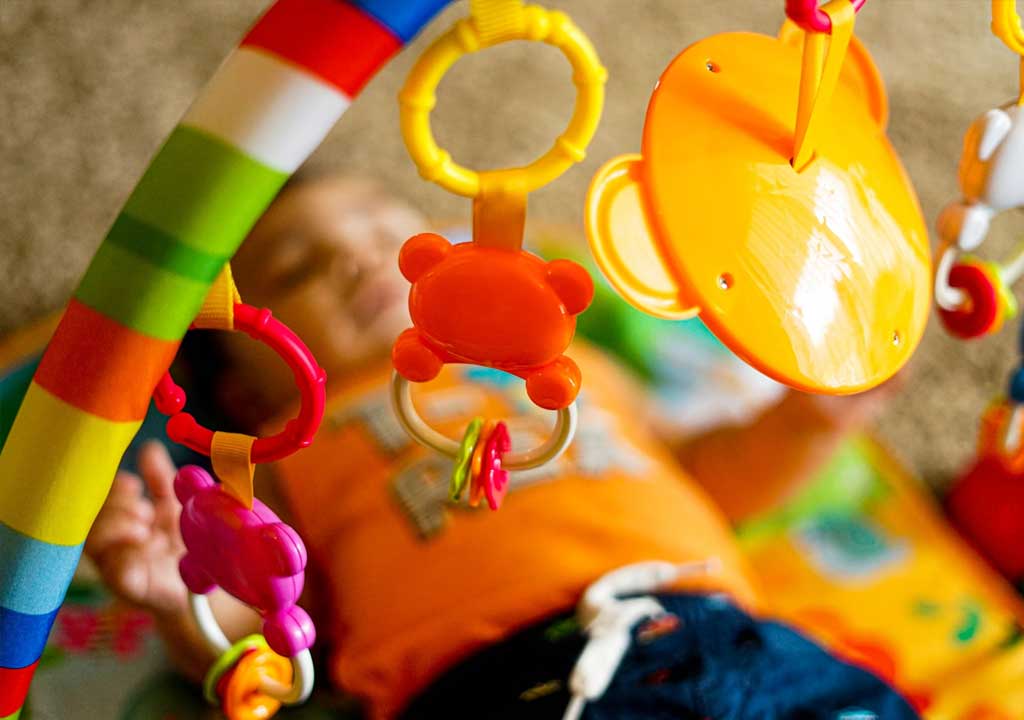
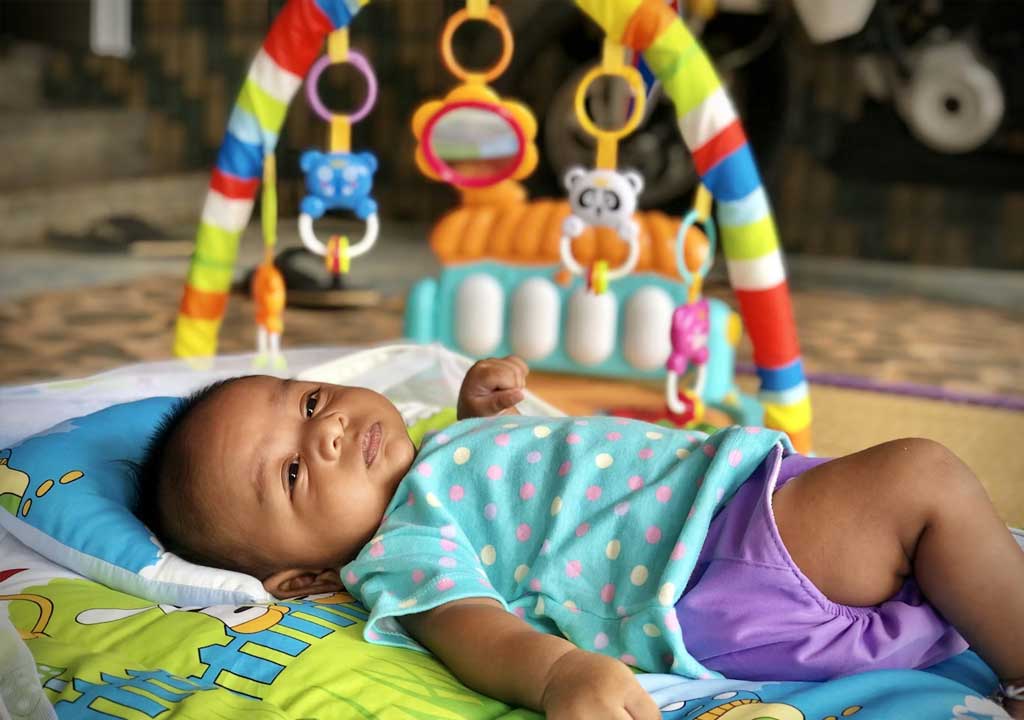
In addition to toys, consider a safe play space that can grow with your child: a play yard or gated area with a soft, wipeable mat. A sturdy, properly spaced barrier ensures a safe, contained area for babies learning to crawl or stand, and later for toddlers exploring more widely.
Materials, Safety Standards, and Clean Living
Beyond the design, the materials and compliance of baby gear are central to safety. Many products come with safety certifications or statements about compliance with standards. While standards can vary by country, a few universal considerations help you compare options.
Materials and Finish Quality
Opt for products made from solid wood or metal with smooth surfaces and non-toxic finishes. For fabric components, look for OEKO-TEX or GOTS-certified textiles, or at least fabrics that withstand repeated washing without fading or shedding. Avoid high-VOC paints and finishes, especially on furniture and high-use items like high chairs and cribs.
Certifications and Standards to Look For
In the United States, look for products that comply with applicable safety standards and have independent certification labels when available. The JPMA (Juvenile Products Manufacturers Association) certification indicates compliance with several safety standards and rigorous testing. Some products also reference ASTM standards (e.g., F833 for strollers, F404 for high chairs, F1169 for infant car seats in some contexts). For cribs, ensure they meet current federal safety standards and that the product packaging or manual lists compliance details.
If you’re outside the U.S., look for local safety certifications and guidelines from consumer safety organizations in your country. Regardless of region, avoid items with loose hardware, sharp edges, or detachable small pieces that could be choking hazards for infants or toddlers.
Practical Shopping Guide: How to Build a Stage-Ready Kit
Building a stage-ready kit involves thoughtful prioritization, budget planning, and an understanding of your home environment. Here are practical steps to help you shop wisely:
- Inventory the spaces where gear will live: nursery, living area, car, and any travel routes. Measure doorways, elevator access, and car trunk space to ensure items fit without forcing safety compromises.
- Think in phases: List items you will need in the newborn phase, then identify how those items can be repurposed or upgraded as development proceeds. Favor items with growth features rather than single-purpose products.
- Set a budget with a growth mindset: Allocate funds toward core adaptable pieces first (crib that converts, a versatile stroller system, a convertible car seat) and then fill in less critical categories with essentials that can be replaced or upgraded over time.
- Check warranties and return policies: A solid warranty and a reasonable return window give you flexibility if a product doesn’t meet your needs after a couple of months of use.
- Read reviews that focus on real-life usage across stages: Look for comments about ease of conversion, durability through multiple wash cycles, and stability in different configurations.
- Plan for safety inspections: For items like car seats and strollers, consider professional checkups or demonstrations to ensure you’re installing and using the gear correctly.
Safety First: Red Flags to Watch For
While shopping, keep an eye out for warning signs that a product may not be stage-ready or safe:
- Loose hardware, wobbly bases, or parts that can pinch tiny fingers.
- Gaps or spaces large enough for a child to get their head or limbs stuck.
- Fabric or plastic pieces that easily tear or shed small bits that could be choking hazards.
- Non-compliant labels or unclear manufacturer instructions. If you can’t find clear weight limits or installation guidance, pass on the item or seek additional guidance from consumer safety resources.
Case Studies: Stage-Ready Gear in Action
Real families often discover practical ways to use stage-ready gear that isn’t just theoretical. Here are two illustrative examples:
Case Study 1: The Convertible Crib + Adjustable Mattress Strategy
A family chooses a convertible crib with a high weight limit and a mattress that can be lowered as the child grows. They also select a crib-to-toddlers-bed conversion option and a breathable, washable mattress protector. As the child goes from infant to toddler, they adjust the mattress height, eliminating the need to purchase a new bed. The crib’s durability reduces the likelihood of early bed-related repairs, and the family can repurpose the same foundational piece for years.
Case Study 2: The All-in-One Car Seat System with a Stroller
A family opts for an all-in-one car seat that transitions from rear-facing infant use to forward-facing toddler seating and then to booster mode. They pair it with a compatible stroller that accommodates the same set of seating configurations. This approach minimizes incompatibilities and simplifies daily routines, particularly for quick trips or errands with a newborn and an older sibling.
Maintenance, Cleaning, and Longevity
Safe, stage-ready gear isn’t just about initial safety—it’s about ongoing maintenance. Regular checks of harnesses, straps, buckles, and seams help prevent failures. Cleaning routines that protect materials extend the life of gear and reduce exposure to dirt and germs. For fabrics, follow washing instructions, use gentle cycles, and air-dry components that can be damaged by heat.
Create a simple maintenance schedule:
- Weekly quick inspections of buckles, harness heights, and strap integrity.
- Monthly wipe-downs or machine washes where appropriate to remove dirt, sweat, and spit-up residues.
- Quarterly checks on cribs and play yards for loose hardware or wobble in joints.
- Annual reassessment of weight limits and usage configurations to ensure you are still within manufacturer guidelines.
Urban and Space-Smart Tips for Stage-Ready Living
For those living in smaller homes or apartments, space considerations become part of safety decisions. A few practical tips:
- Choose items that fold compactly or stack neatly without compromising stability.
- Prioritize multi-use items (crib that becomes a toddler bed, high chair that converts to a booster, stroller with multiple seating options).
- Use wall space for storage of smaller pieces like feeding accessories, toys, and teaching aids to keep floors clear and reduce tripping hazards.
Putting It All Together: A Stage-Ready Shopping Plan
If you’re starting from scratch, here’s a practical plan to assemble a stage-ready toolkit:
- Identify your space constraints and your primary travel needs (city living, frequent car trips, or long-distance travel).
- Prioritize core adaptable items: a convertible crib, a convertible car seat, and a stroller system designed to grow with your child.
- Choose high chairs and feeding setups that can evolve with your child’s eating and sitting stages.
- Build a safe play area with a sturdy, age-appropriate mat and a gate or play yard as your child becomes more mobile.
- Invest in safety checks: schedule a professional car-seat installation check and review all instructions with a trusted caregiver to ensure consistent use.
- Keep receipts and document model numbers for warranty and part replacements as your child grows.
Common Myths About Growth and Gear
Myth: “I can save money by buying the cheapest option.” Fact: In safety-critical items, cheaper may mean compromised materials, fewer growth options, or shorter lifespans. Stage-ready gear often saves money in the long run by reducing the need for multiple replacements. Always compare features and durability rather than price alone.
Myth: “Used gear is always fine if it looks good.” Fact: Even if used gear appears intact, there can be hidden wear, recalled parts, or unseen damage that compromises safety. When it comes to car seats, never buy used. For other gear, consider safety recalls and the working life of the item before purchase.
Final Thoughts: Embracing the Development Journey with Confidence
Babies grow rapidly, and the gear designed to support them should keep pace with those changes. By prioritizing safety, adaptability, and ease of maintenance, you can curate a collection of stage-ready baby gear that remains useful as development unfolds. Remember to stay informed about current safety standards, consult professionals for tricky installations, and trust your parental instincts. When gear fits your space, supports your child’s growth, and stands up to daily use, you’ll experience less stress and more joyful, unhurried moments with your little one.
If you’d like, I can tailor this guide to your family’s space, budget, and local safety standards, or help you build a personalized shopping list with model recommendations and weight/height guidelines. Safe, adaptable gear is within reach, and it starts with thoughtful choices today that will support your child through tomorrow’s milestones.
Happy, safe, growth-filled parenting start to finish!
LIKED THIS ARTICLE? SHARE IT: