




















































Safe Sleep Essentials: Sleep Sacks, Swaddles, and Soothing Tools

Safe Sleep Essentials: Sleep Sacks, Swaddles, and Soothing Tools
Bringing a newborn home comes with a thousand tiny decisions, and one of the most important is where and how your baby sleeps. Safe sleep isn’t a single product or a single habit; it’s a careful combination of the environment, the gear you choose, and the routines you establish. In this guide, we’ll explore three essentials that many parents turn to for comfort and safety: sleep sacks, swaddles, and soothing tools. You’ll find practical guidance on choosing, using, and troubleshooting these items so you can create a secure, soothing sleep space for your little one.
Why Safe Sleep Matters
Every baby deserves a safe, restful night—and safe sleep practices reduce the risk of Sudden Infant Death Syndrome (SIDS) and other sleep-related hazards. The American Academy of Pediatrics (AAP) recommends several foundational principles that apply to any sleep setup, whether you’re at home, traveling, or visiting family. Some of the core guidelines include:
• Always place your baby on their back for every sleep time until they are at least one year old.
• Use a firm, flat sleep surface with a tight-fitting sheet. Do not place the baby on pillows, soft mattresses, fluffy blankets, or loose bedding.
• Keep the sleep area free of toys, bumpers, and stuffed animals. These items can increase suffocation risk and interfere with breathing.
• Consider room-sharing without bed-sharing. A bassinet or crib in the same room as the parents’ bed is a common setup during the first six to twelve months.
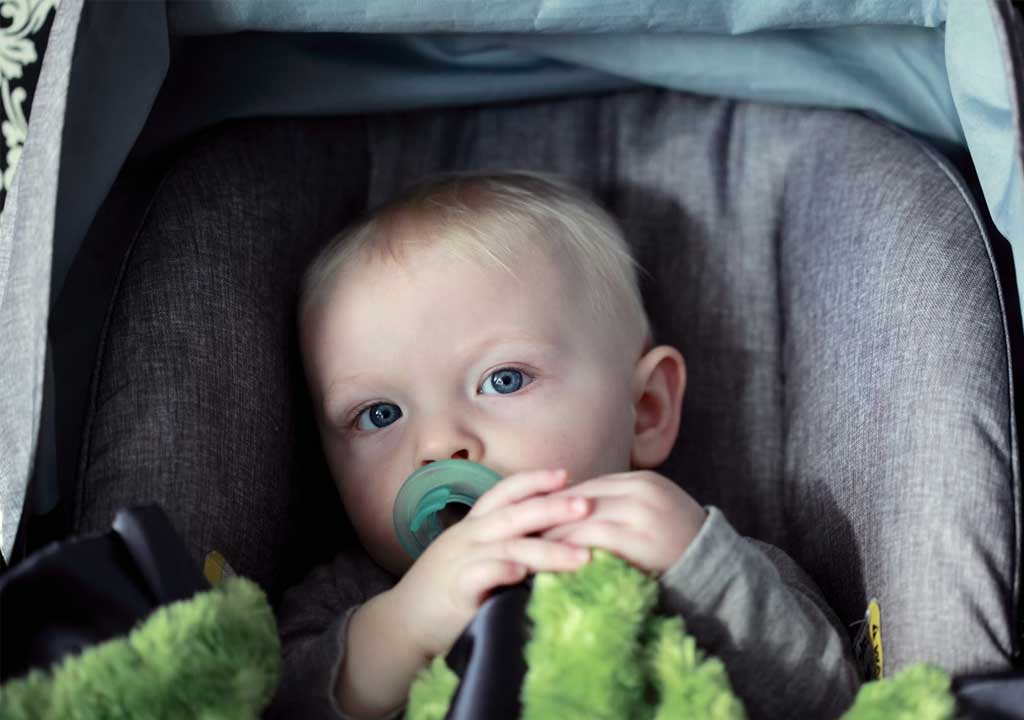
• Consider offering a pacifier at nap time and bedtime after breastfeeding is well established, as this can reduce SIDS risk in some cases. If you’re breastfeeding, consult your pediatrician about when to introduce the pacifier.
• Dress your baby appropriately for the room temperature, and avoid overheating. Use breathable fabrics and monitor for signs of overheating such as sweating, flushed cheeks, or a hot look.
Keeping these principles in mind helps you evaluate and use sleep gear—like sleep sacks and swaddles—in ways that support safe sleep rather than inadvertently creating hazards. The rest of this guide dives into two popular sleep options (sleep sacks and swaddles) and then explores soothing tools that can help your baby settle without compromising safety.
Sleep Sacks: A Cozy, Safe Sleep Choice
A sleep sack is essentially a wearable blanket: a sleeved, wearable layer that zips or snaps up to keep your baby warm without loose fabric flapping around the face. Sleep sacks are popular for their simplicity, warmth, and safety benefits, particularly for babies who tend to kick off blankets or roll around at night.
What to know about sleep sacks
• Safety-first design: Sleep sacks eliminate loose blankets, which are a common sleep hazard. Look for features such as a snug neck opening, a covered zipper or two-way zipper that won’t irritate the skin, and no cords or ties that could snag on a toy or crib rail.
• TOG ratings: Sleep sacks come in different warmth levels (measured in TOG). Common ranges include 0.5 TOG (lighter for warmer rooms) up to 2.5 TOG (cool rooms or winter). Choosing the right TOG depends on your baby’s room temperature and the clothing worn beneath the sack. A safe starting point is to dress your baby in one layer of clothing under a 1.0–1.5 TOG sack in a typical room (around 68–72°F / 20–22°C), then adjust as needed.
• Size and fit: Sleep sacks are sized to accommodate growing babies. Common categories include newborn/0–3 months, 3–6 months, and 6–12 months. The sack should fit snugly around the chest with enough room for the arms to move, but it should not be so loose that the baby can slip down inside the sack or wriggle up and cover the face.
• Material matters: Opt for breathable natural fibers, such as cotton or cotton blends, to reduce overheating. For cooler climates, a slightly warmer fabric or larger TOG may be appropriate. Avoid heavy fabrics in warm rooms, and always avoid synthetic fabrics that trap heat when the room is already warm.
How to use a sleep sack safely
• Place the sack on the baby lying on their back on a firm sleep surface. Do not place the baby on an inclined or angled surface for sleep, unless advised by a clinician for medical reasons.
• Ensure the neck and arm openings are snug enough to prevent the baby from slipping into the sack, but not so tight that they restrict movement or breathing. If you can slide two adult fingers between the sack and your baby’s chest, the fit is generally too loose.
• Do not use a sleep sack with a hood or any attached external cords or strings. Hoods can pose a suffocation risk, especially for younger babies.
• Regularly check the baby’s temperature and comfort. If the sack feels damp with sweat or the baby’s back seems unusually warm to the touch, adjust the clothing layers or TOG to prevent overheating.
• Transitioning from a swaddle to a sleep sack is a common path. When your baby shows signs of rolling, it’s time to shift away from swaddling and move into a sleep sack that allows more arm mobility and a secure, safe position for rolling and moving.
When to use a sleep sack and how to choose
Sleep sacks are versatile for different ages and stages. They’re particularly helpful if your baby tends to kick off blankets or get tangled in loose fabrics. They can be a long-term sleep solution that grows with your child, provided you choose the right size and TOG for the season. When selecting a sleep sack, consider:
- Proper size for age and weight
- Appropriate TOG for room temperature
- Breathable materials and a design that prevents overheating
- A secure zipper that won’t irritate the chin or neck
- No small parts, removable decorations, or cords
Remember, a sleep sack is not a replacement for safe sleep basics; it’s an additional tool that can help you maintain a consistently safe, comfortable sleep environment for your little one.
Swaddles: Comfort and Caution
Swaddling can be a soothing technique that helps some babies feel secure and calm. A properly used swaddle can mimic the snug feeling of the womb and help reduce the startle reflex that can wake a sleeping infant. However, swaddling has important safety considerations, especially concerning hip development and the risk of overheating. Here’s how to navigate swaddles safely and effectively.
Choosing a safe swaddle
• Hip-friendly design: Look for swaddles that allow complete hip movement, with a roomy bottom that encourages hips to bend and spread. Some sleeping bags and swaddle wraps are designed specifically to promote healthy hip development by avoiding tight enclosures around the legs.
• Proper closure: A swaddle should secure at the chest and arms but leave enough room at the hips. Avoid swaddles that strap across the hips or feel overly restrictive around the legs.
• Breathable fabric: Choose cotton or cotton blends to promote airflow. Avoid heavy fleece or thick synthetic layers that can trap heat in a warm room.
Safe swaddling steps
1) Lay the baby on their back on a flat, firm surface. 2) Place the swaddle blanket or wrap near the shoulders. 3) Tuck one arm into the sleeve or fold the blanket across the chest with the arm down. 4) Bring the opposite side of the blanket across the chest and tuck under the back, ensuring the baby’s shoulders remain free. 5) Repeat on the other side, leaving the hips free to move. 6) Check that the baby’s temperature is comfortable and that breathing is easy.
Note: Some babies don’t like being swaddled once they start to roll or when they reach a certain age. It’s crucial to transition away from swaddling before rolling becomes common or if the baby begins to show signs of trying to break free. In many cases, that sign is when the arms escape the swaddle or the baby resists being swaddled in a blanket—these are cues to move toward a different sleep method, such as a sleep sack or a wearable blanket that allows more movement while still reducing the risk of loose blankets.
When to stop swaddling
Stop swaddling when the baby shows any of these signs: rolling onto their tummy while swaddled, persistent attempts to break free from the swaddle, or you observe that the baby is not comfortable wrapped tightly. The transition plan should be gradual and based on your child’s development rather than age alone. Some babies embrace the change earlier, while others may still enjoy a gentle wrap for a while longer. Always prioritize safety and comfort in your decision-making.
Swaddling can be a wonderful method for soothing, but it must be used thoughtfully. Consider pairing a safe, hip-friendly swaddle with a sleep sack as your child grows, ensuring you maintain a consistent and safe sleep environment across stages.
Soothing Tools: Pacifiers, White Noise, and Gentle, Safe Habits
Soothing tools can help calm a fussy baby and support longer, steadier sleep. The key is to use them safely and in a way that complements safe sleep practices. Here are some common, effective soothing tools and how to use them well.
Pacifiers
Pacifiers can play a role in soothing and have been associated with reduced risk of SIDS in some studies. If you choose to use a pacifier, consider the following guidelines:
- Introduce after breastfeeding is well established, usually around 3–4 weeks old, unless advised otherwise by your pediatrician. If you are exclusively breastfeeding, wait until breastfeeding is well established to avoid potential nipple confusion.
- Keep the pacifier clean and in good condition. Replace worn or damaged pacifiers promptly.
- Avoid attaching pacifiers to strings, cords, or ribbons that could pose strangulation hazards. Use a cradle or clip that stays on the clothing to prevent loss, but never attach a pacifier to a blanket or crib.
- If you wean or decide to stop pacifier use, do it gradually and be patient—the goal is to support your baby’s comfort and sleep without creating distress.
White noise
White noise machines or apps can help create a consistent sleep-friendly sound environment that muffles household noises and helps babies settle. To use white noise safely:
- Keep the device at a safe distance from the baby—ideally across the room, not directly beside the crib.
- Volume matters: aim for a gentle, steady sound around 50 dB or lower in the baby’s sleep area. If you can hear the sound comfortably from another room, it’s likely at a safe level.
- Use a device with a timer or turn it on only during sleep periods to minimize exposure. Some parents prefer a brief, consistent duration that aligns with naps and nighttime sleep, reducing the potential for overuse.
Gentle motion and bonding routines
Rocking, swinging, or a slow, rhythmic pat on the back can help calm a cranky baby. When using motion devices, ensure they are designed for infant sleep or used for short periods under supervision. Always place the baby on their back on a firm, flat surface for sleep, and avoid propping the baby in a seated position or in devices not intended for overnight sleep.
In addition to these tools, consider creating a calming bedtime routine that signals sleep time. A consistent routine—perhaps a warm bath, a gentle massage, dim lights, and a quiet feeding—can reduce stress and help your baby transition to sleep more easily. Keep the sleep environment consistent: a darkened room, stable temperature, and minimal stimulating activities before bed can significantly improve sleep quality over time.
Temperature, humidity, and environment
Safe sleep isn’t just about gear; it’s about the whole environment. Maintain a comfortable room temperature (generally around 68–72°F / 20–22°C, but adjust to your baby’s cues). Use a breathable, moisture-wicking fabric for layers and avoid overheating, which is a known risk factor for sleep-related hazards. Humidity is also important; very dry air can irritate a baby’s airways, while excessively humid air can promote mold or mildew and discomfort. If you use a humidifier or dehumidifier, clean it regularly and monitor the room’s humidity level to stay within a comfortable range for sleep.
Remember to remove loose blankets or clothing that could cover the baby’s face. The key is providing soothing tools and strategies that promote calm without creating new safety concerns.
Putting It All Together: A Practical Night Routine
Creating a safe, soothing nighttime routine can help your baby settle into a peaceful sleep and give you peace of mind. Here’s a sample routine that incorporates sleep sacks, swaddles (if appropriate), soothing tools, and safe sleep principles. Adapt it to your family’s needs and your baby’s temperament.
6:30–7:00 pm — Dim the lights, start a quiet activity. A short bath, gentle massage, or soft song can signal that sleep is coming. Dress your baby in comfortable clothing suitable for the room’s temperature.
7:00–7:20 pm — Feed if your baby is hungry. If you’re using a pacifier, you might offer it after the feeding, depending on your pediatrician’s guidance. This moment can be a calm, bonding time that helps your baby wind down.
7:20–7:30 pm — Swaddle transition (if using swaddles). If your baby thrives with swaddling, use a hip-friendly design and ensure the chest is snug while the hips can move freely. If the baby is already rolling or showing signs they want more freedom, skip the swaddle and move to a sleep sack instead.
7:30 pm — Place the baby on their back in a safe sleep space with a sleep sack or wearable blanket. Ensure the environment is quiet and the room temperature is comfortable. Consider a white noise source at a safe volume if your household tends to be noisy at night.
8:00 pm — Periodic checks during the night as needed, ensuring the baby remains on their back, the sleep surface remains firm, and the sleep sack or wearable blanket remains properly in place. Avoid disturbing the baby more than necessary and try to respond with gentle, soothing cues rather than picking up the baby every time they make a noise.
By aligning these elements—sleep surface safety, appropriate sleep gear, soothing tools used correctly, and a consistent routine—you’ll create a sleep environment that is both comforting for your baby and reassuring for you as a caregiver.
Common Mistakes and How to Avoid Them
Even the best-intentioned parents can slip into sleep habits that aren’t ideal for safety. Here are some common mistakes and practical ways to avoid them:
- Using loose blankets in the crib. If your baby is cold, add a wearable layer like a sleep sack rather than a loose blanket. Loose blankets pose a suffocation risk.
- Overheating the room. Dress the baby appropriately and choose breathable fabrics. Track room temperature and adjust clothing or TOG as needed.
- Swaddling beyond the age of rolling. If your baby starts showing signs of rolling, transition to a sleep sack rather than continuing to swaddle. This reduces the risk of restricted movement and covers the face.
- Using pacifiers in a way that interferes with feeding or breastfeeding. Introduce the pacifier with guidance from your pediatrician, especially if you’re early in the breastfeeding journey.
- Placing the baby to sleep on a soft surface or on their side or stomach. Always place your baby on their back on a firm, flat surface for every sleep time until they reach at least one year old, then transition based on pediatrician recommendations.
By staying mindful of these potential missteps and maintaining a consistent safety-first approach, you’ll maximize the benefits of sleep sacks, swaddles, and soothing tools while minimizing risks.
Frequently Asked Questions
Q: How do I know if my baby is too hot or too cold?
A: Check the baby’s neck or chest for warmth or dampness. If the baby feels sweaty or hot to the touch, remove a layer or adjust the room temperature. If they feel cool, add a light layer. The goal is a comfortable, not overheated, baby.
Q: Can I mix swaddles and sleep sacks?
A: Some parents use a swaddle wrap for the first weeks or months and then switch to a sleep sack as the baby grows and starts showing signs of rolling. Others may transition directly to a sleep sack without the swaddle. The decision depends on your baby’s comfort, development, and safety cues.
Q: How do I know when to stop using a pacifier?
A: The timing can vary for each child. If you notice prolonged dependence or difficulty weaning, discuss a plan with your pediatrician. Pacifier use is a personal choice, and a few babies outgrow it naturally as they age.
Choosing the Right Gear: Quick Shopping Tips
When selecting sleep gear, here are a few practical tips to help you shop confidently:
- Safety first: Look for independent safety certifications and read product labels carefully to ensure there are no loose parts, cords, or strings.
- Fit matters: Choose sleep sacks and swaddles that fit your baby’s current size and don’t restrict movement excessively. A good fit reduces the risk of slipping and suffocation hazards.
- Seasonal readiness: Consider purchasing a range of TOGs to adapt to seasonal room temperature changes. You may need a lighter option in the summer and a warmer one in colder months.
- Washability: Babies can be messy, and gear needs regular washing. Choose materials that are easy to clean and dry and hold up to frequent washing.
- Ease of use: Zippers and closures should be easy to operate but secure enough to stay in place during sleep without pinching the skin. Test the garment by putting it on a stuffed animal first to check for comfort and safety.
By prioritizing safety, fit, and practicality, you’ll pick sleep sacks, swaddles, and soothing tools that become reliable allies in your baby’s safe-sleep journey.
Closing Thoughts: A Balanced Approach to Safe Sleep
Safe sleep isn’t about a single product or a one-size-fits-all routine. It’s a layered approach that combines proper sleep surfaces, appropriate wearables like sleep sacks and hip-healthy swaddles, and soothing tools that support calm, independent sleep without compromising safety. Every baby is different, and what works for one family might not be the same for another. The most important part is to stay informed, observe your baby’s cues, and adjust as needed with your pediatrician’s guidance.
Consider keeping a simple sleep log for a few weeks to identify what helps your baby most: the right TOG, the best soothing routine, or the most comforting swaddle style. A well-designed routine can reduce nighttime wakeups and help your baby learn the difference between night and day, all while maintaining a safe sleep environment. And remember, you’re not alone—many families navigate the same questions about sleep gear and safe practices. If you have a concern or a unique situation (premature birth, respiratory issues, or medical conditions), consult your pediatrician for tailored advice.
In the end, safe sleep essentials like sleep sacks, hip-friendly swaddles, and gentle soothing tools are about giving your baby security and consistency. With careful selection, mindful use, and ongoing attention to safety details, you’ll set the foundation for healthier sleep—for both your baby and you.
Happy sleeping, and may your nights be calmer, safer, and sweeter as you embark on this precious journey with your little one.
LIKED THIS ARTICLE? SHARE IT: